Entertainment
Jan 26, 2026
A simple, complete explanation of the Fallout TV series, its timeline, canon status, and impact on future games. Photo by: GamesRadar
The Fallout TV series is not just that another video game adaptation. It is one of the most important moments in the Fallout history.
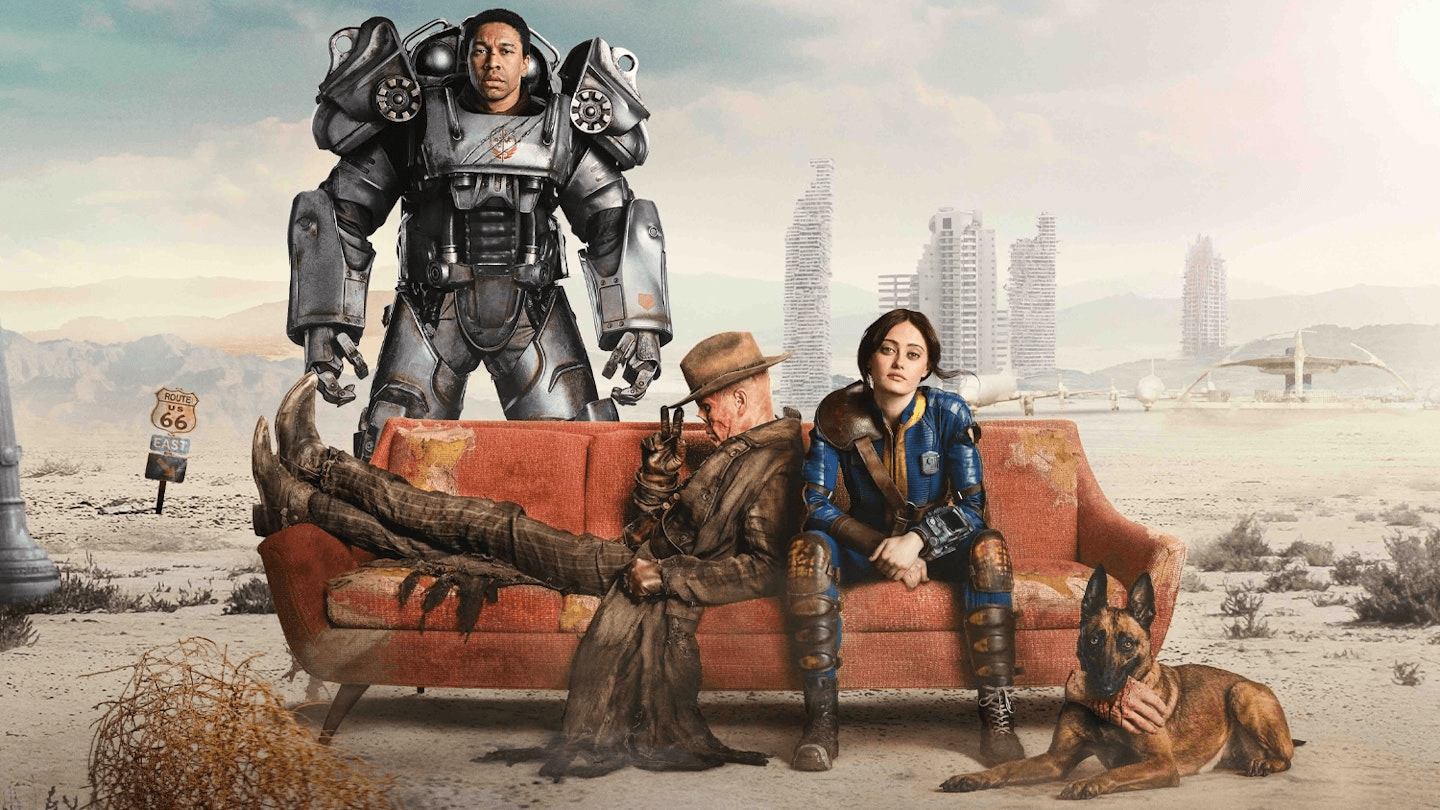
For the first time, Bethesda allowed a TV show to enter Fallout’s official timeline and become canon.
After years of failed or weak game-to-TV adaptations, the Fallout series proved that gaming stories can work on screen when done right.
This show didn’t just attract gamers; it pulled in new fans who had never touched a Fallout game before.
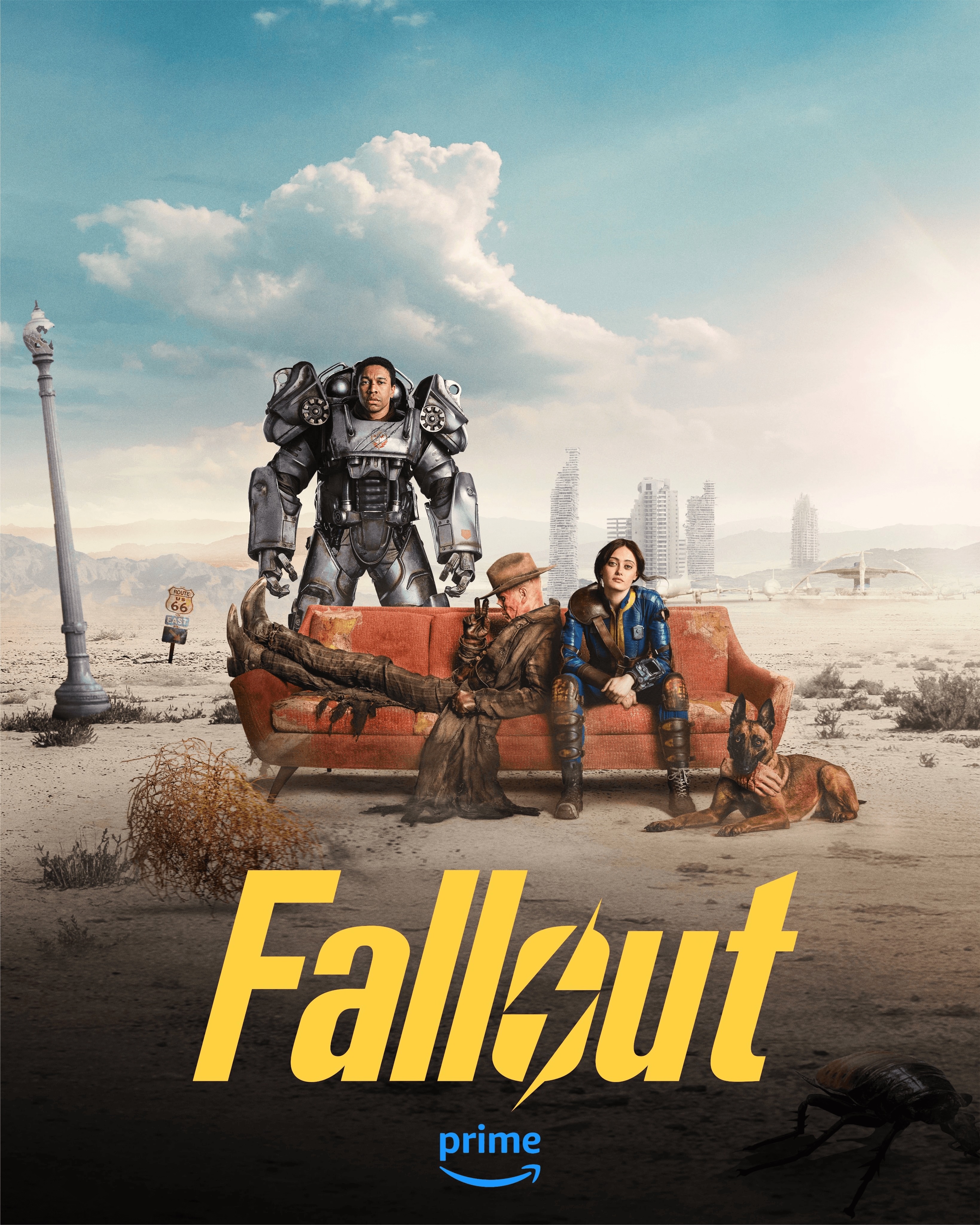
Yes. The Fallout TV series is officially canon.
Bethesda confirmed that the show takes place in the same universe as the games.
It does not replace any existing Fallout story, but it adds new events that now exist alongside:
Fallout 1
Fallout 2
Fallout 3
Fallout: New Vegas
Fallout 4
Because the show is canon, it means:
Events in the show matter
Characters could appear in future games
Locations may return in future Fallout titles
The Fallout TV series is set in the year 2296, which is:
After Fallout 4 (2287)
After Fallout: New Vegas (2281)
This makes the show the furthest point in the Fallout timeline so far.
Event | Year |
|---|---|
Nuclear War | 2077 |
Fallout 1 | 2161 |
Fallout 2 | 2241 |
Fallout: New Vegas | 2281 |
Fallout 4 | 2287 |
Fallout TV Series | 2296 |
This choice gives the writers freedom without breaking past games.
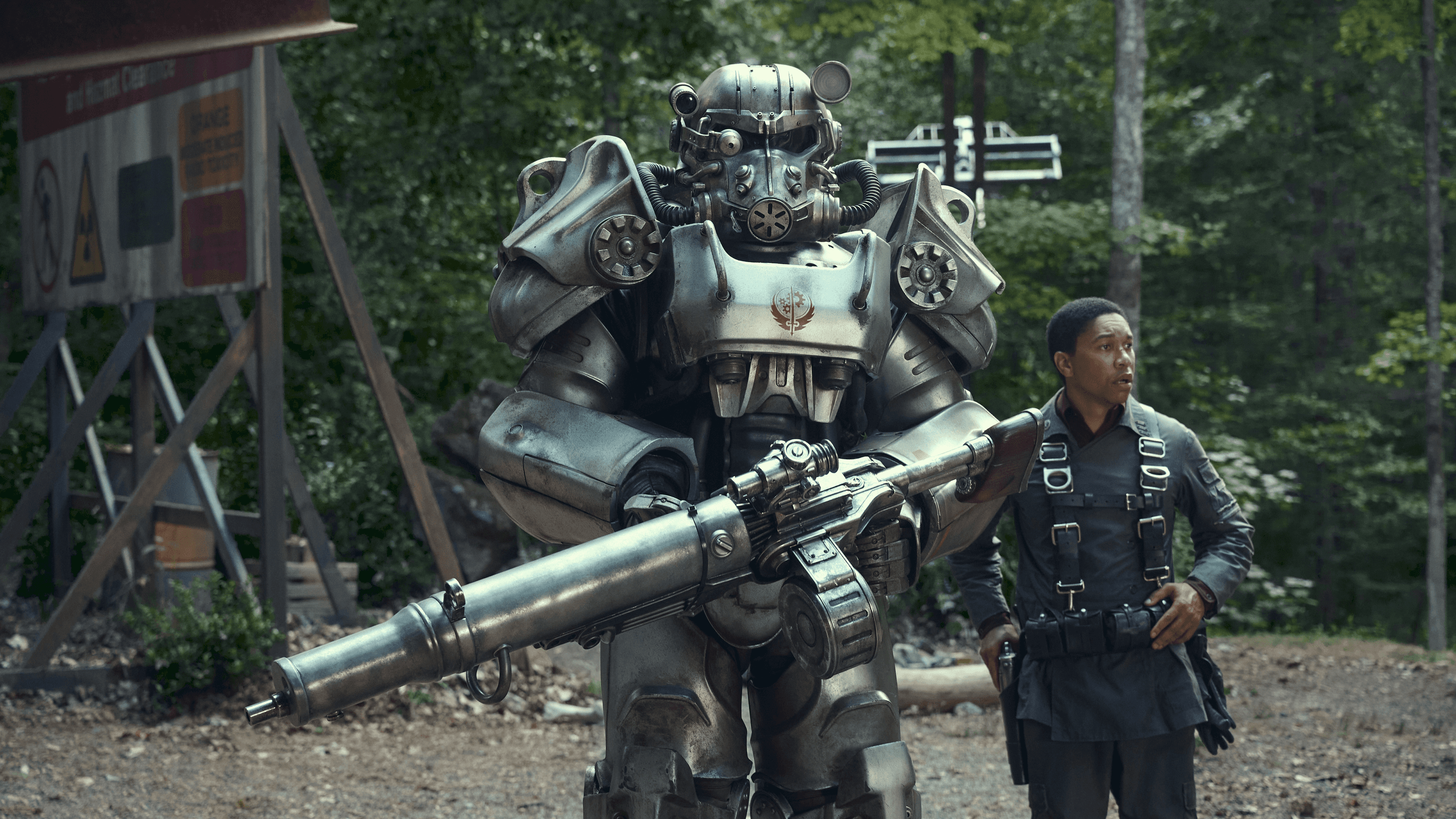
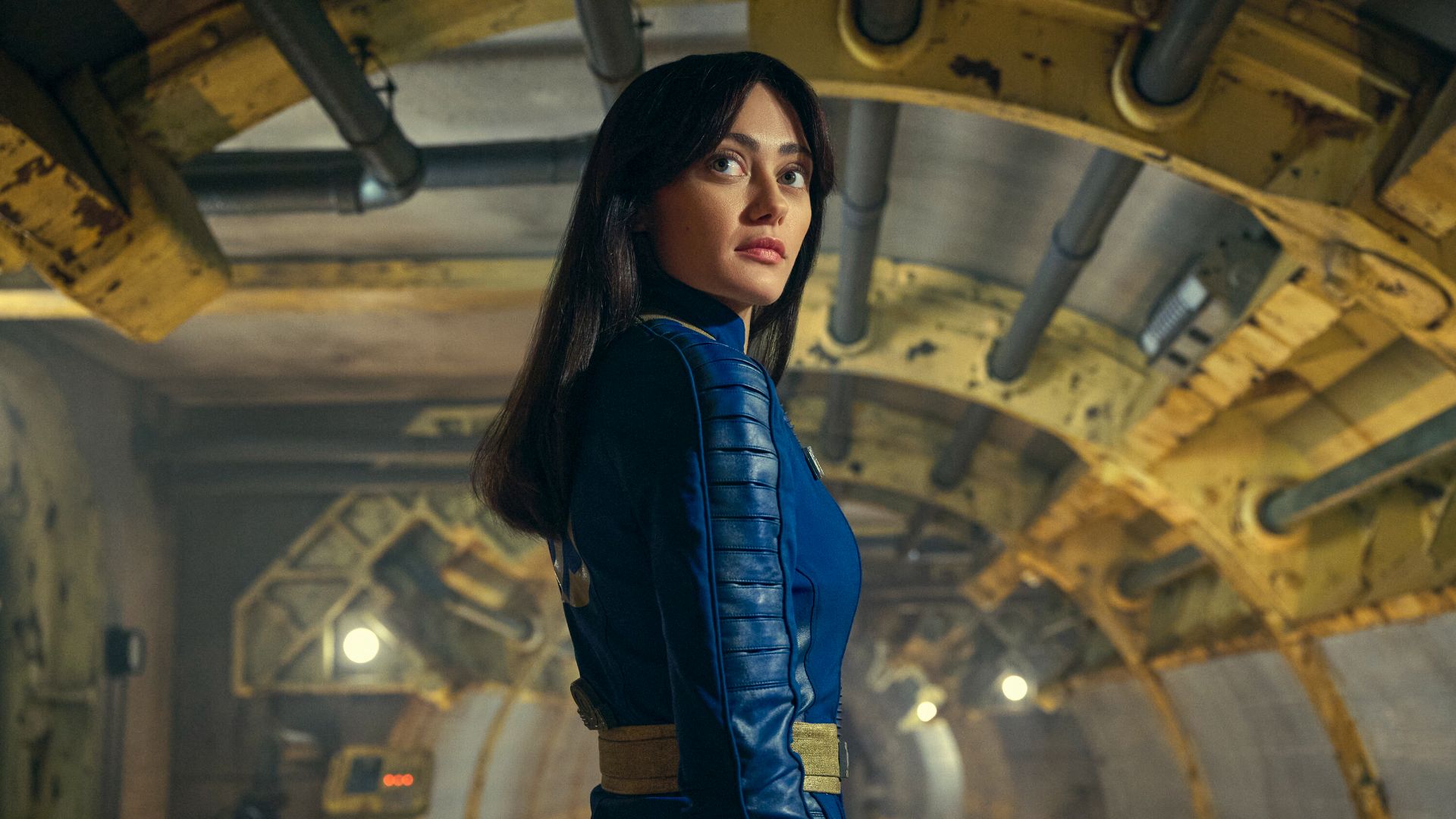
The story follows Lucy, a young woman raised in Vault 33.
She believes the Vault system is safe and controlled, but reality hits hard when she steps into the wasteland.
Outside the Vault, Lucy discovers:
The world is broken
Power is controlled by violence
Morality is not simple
Her journey slowly strips away the lies she was raised with.

Alongside Lucy, the show follows:
The Ghoul
A violent, broken survivor from before the war
Maximus
A member of the Brotherhood of Steel struggling with power and identity
Each character represents a different Fallout theme:
Innocence vs survival
Order vs chaos
Past vs future
Most video game shows fail because they try to copy gameplay.
Fallout didn’t do that.
Instead, the show focused on:
Fallout’s tone
Fallout’s moral gray areas
Fallout’s dark humor
Fallout’s brutal world rules
The show respects the games without retelling them.
That balance is why fans accepted it.
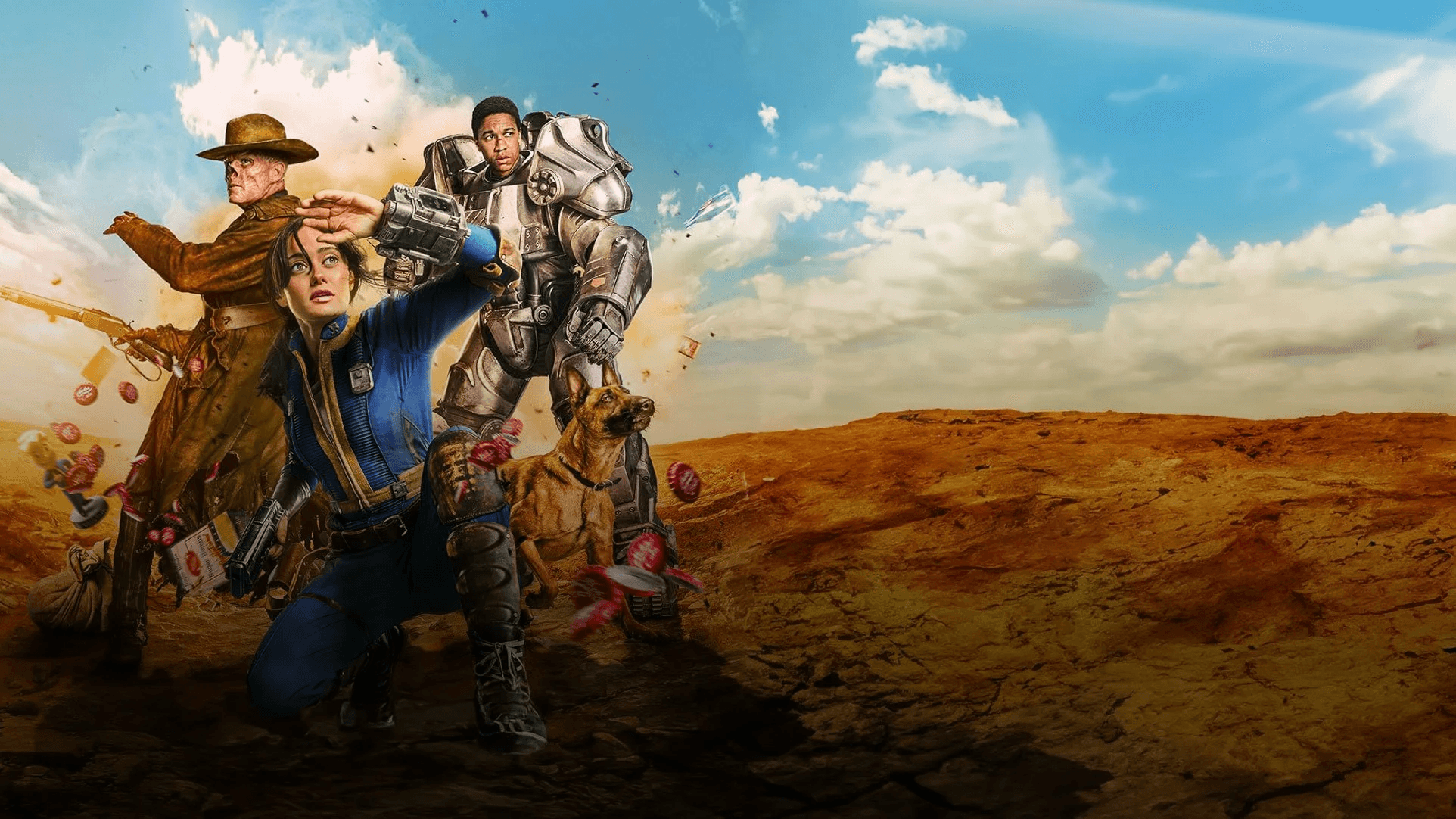
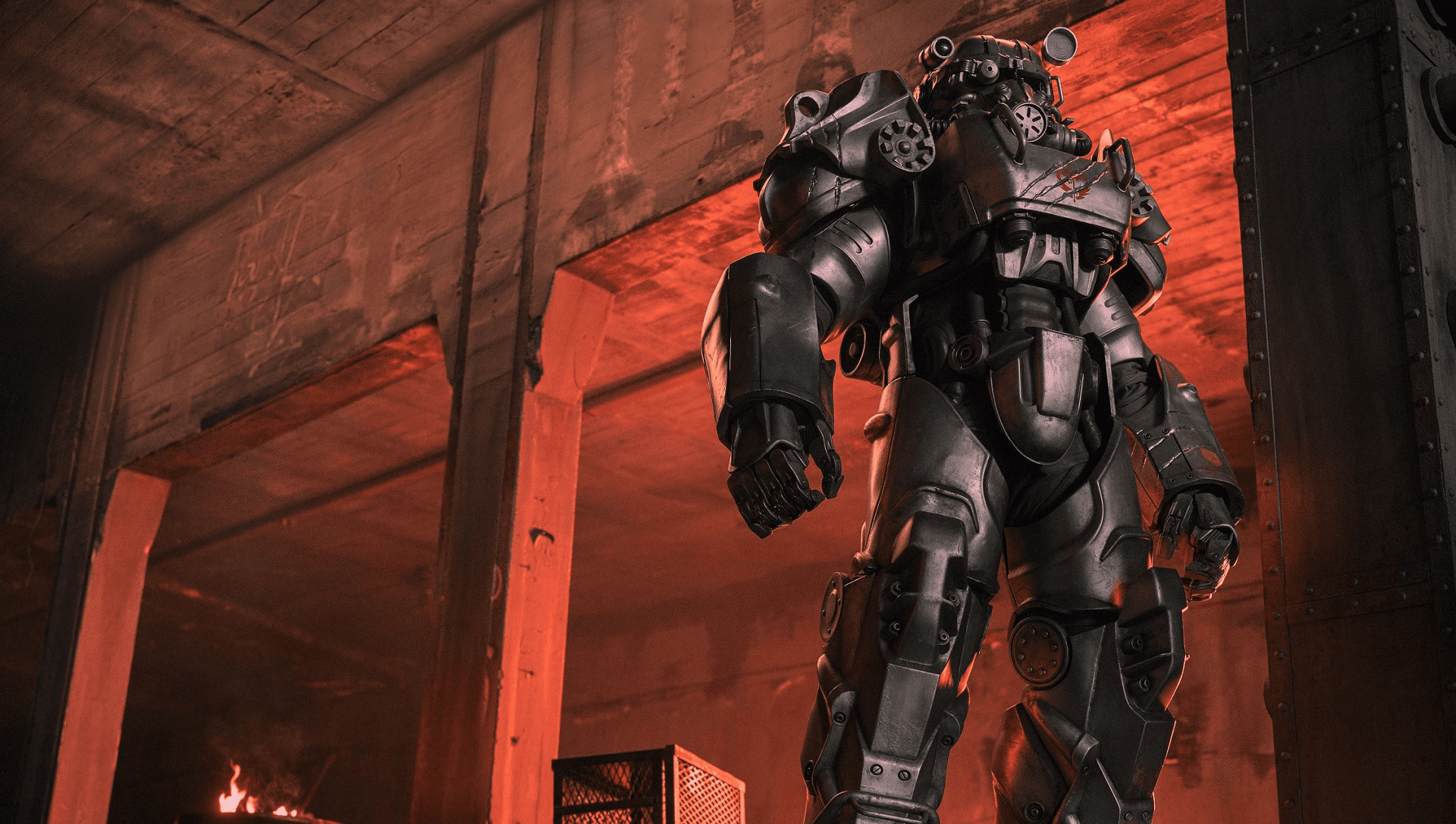
The Brotherhood of Steel plays a major role, but not as heroes.
The show presents them as:
Militaristic
Power-hungry
Emotionally cold
This matches how the Brotherhood has always been shown in the games, especially Fallout 4.
The show does not glorify them.
It questions them.
One of the biggest reveals in the Fallout TV series is how deeply Vault-Tec shaped the apocalypse.
This show reinforces that:
Vaults were used for experiments
Vault-Tec manipulated society
The end of the world was not just an accident
This aligns with Fallout lore and expands it in very disturbing ways.
This is where things get serious.
Because the show is canon:
New Fallout games must respect it
Locations from the show could appear
Characters may return
Bethesda has already stated that future Fallout projects will not ignore the show’s events.
This likely affects:
Fallout 5 setting
West Coast lore
Brotherhood direction
The response was overwhelmingly positive.
Respect for lore
Visual accuracy
Writing tone
Strong characters
Clear storytelling
World-building
This success renewed interest in Fallout games across all platforms.
The Fallout TV series proved that:
You don’t need to copy the game
You need to understand the world
You need respect for fans
It raised the bar for future adaptations like:
Elder Scrolls
BioShock
Mass Effect
The Fallout TV series is not filler content.
It is a core part of Fallout’s future.
For new fans, it is an entry point
For old fans, it is a continuation
For Bethesda, it is a blueprint
Fallout is no longer just a game franchise.
It is now a shared universe.
Yes, Bethesda confirmed it is part of official Fallout lore.
The show is set in 2296, after Fallout 4.
No, the show is made for new viewers too.
Future Fallout games are expected to respect the show’s events.
Yes, it became one of the most watched video game adaptations.