
Gaming
Jan 23, 2026
From Animus glitches to era-changing handoffs, these Assassin’s Creed transitions shaped the series and stayed unforgettable. Photo by:
One thing Assassin’s Creed has always done better than almost any other franchise is transitions. Not just between games, but between worlds, timelines, characters, and even identities.
For fans, these transitions are more than cutscenes. They are moments that made the series feel connected, emotional, and ambitious.
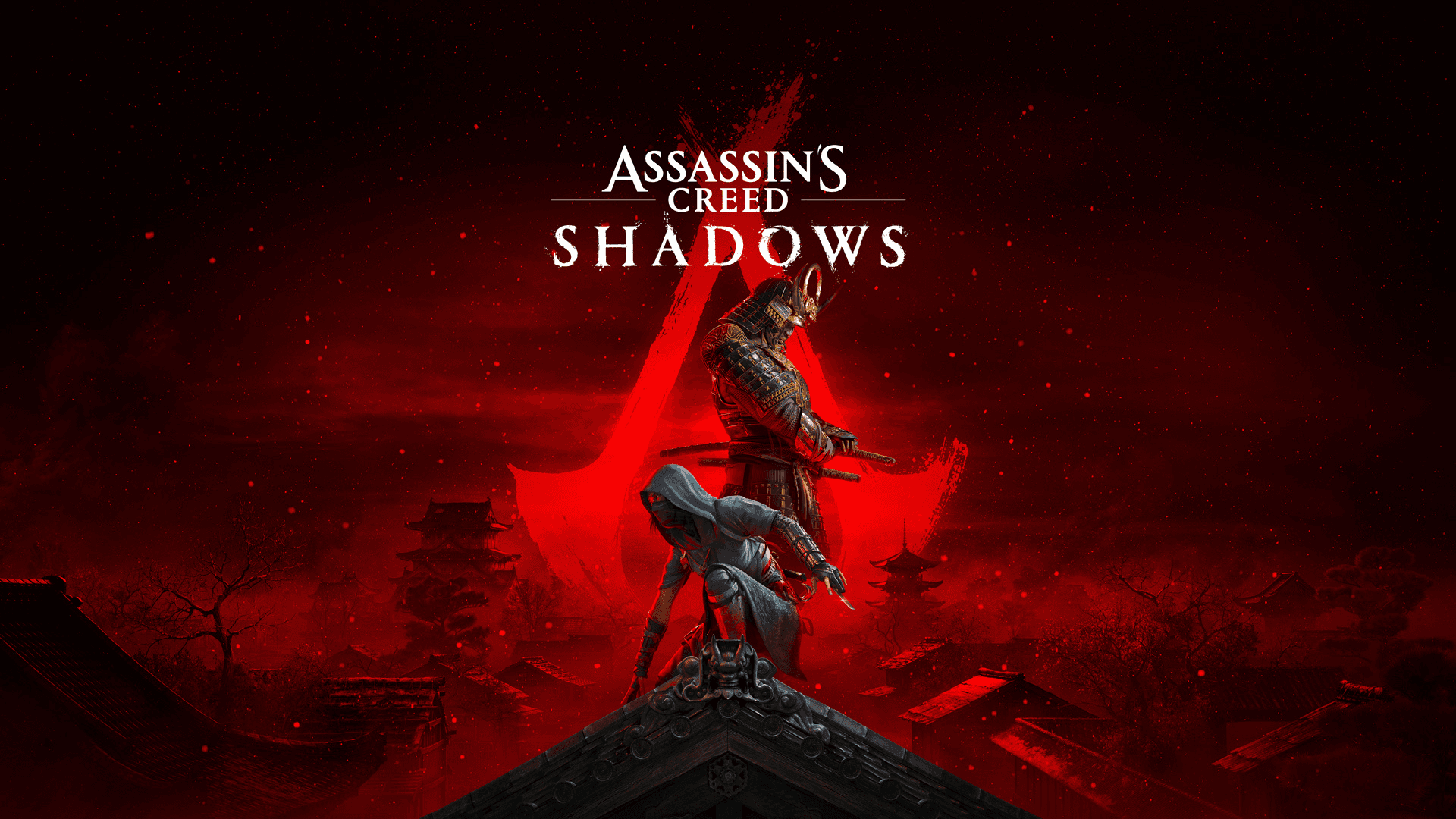
From the first Animus reveal to the RPG era shift, Assassin’s Creed has repeatedly reinvented itself sometimes successfully, sometimes controversially.
Based on long-running community discussions on Reddit, reactions on X, Twitch chat moments, and fan edits shared on Instagram, these are the Assassin’s Creed transitions fans talk about the most and why they still matter.
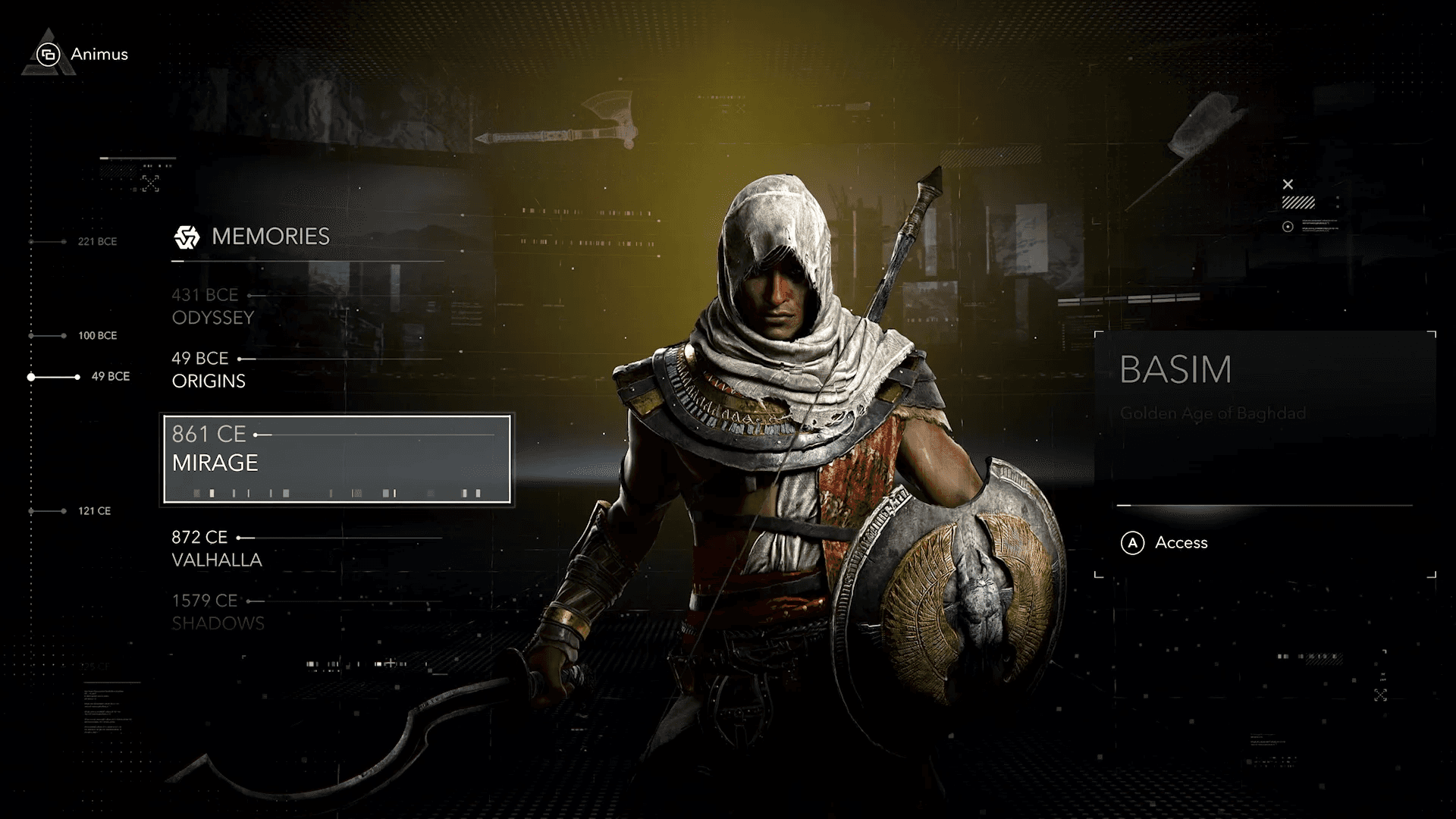
The very first major transition in Assassin’s Creed history happens when players realize they are not actually Altair.
You begin in the Holy Land, thinking this is a medieval assassin game. Then the screen glitches, the world breaks, and suddenly you wake up as Desmond Miles in a modern lab.
This moment shocked players in 2007.
Fans still describe this as:
“The moment Assassin’s Creed became bigger than history.”
The Animus transition introduced the franchise’s core identity past and present colliding. It set the foundation for everything that followed.
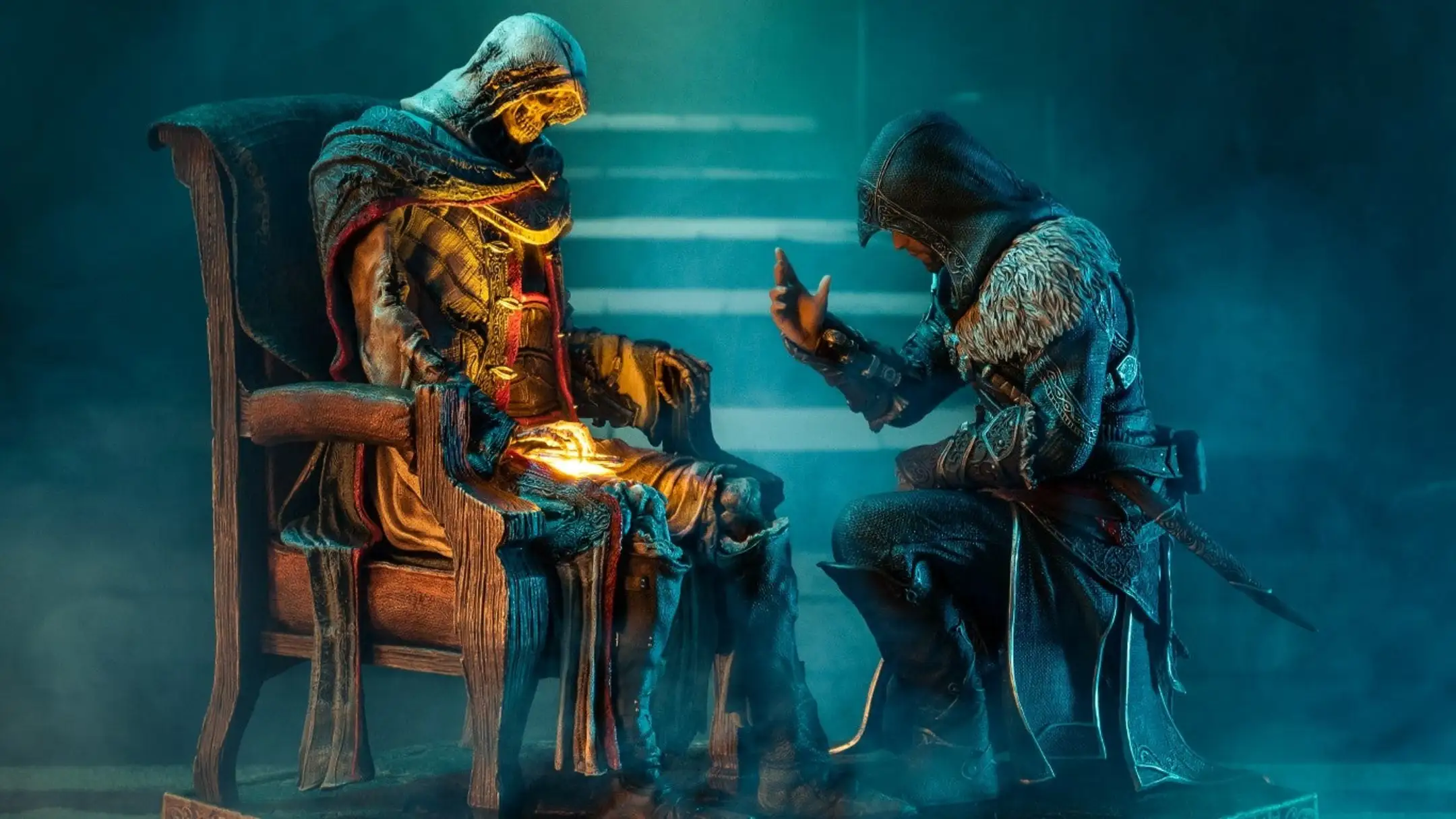
The transition from Altair to Ezio Auditore is one of the most loved in the series.
Altair was quiet, distant, almost emotionless. Ezio was human, angry, charming, and broken. Assassin’s Creed II didn’t just switch characters it reset the emotional tone of the franchise.
Community favorites often mention:
Ezio’s birth scene
The execution of his family
His slow rise from street fighter to Master Assassin
This transition proved Assassin’s Creed could tell character-driven stories, not just historical simulations.
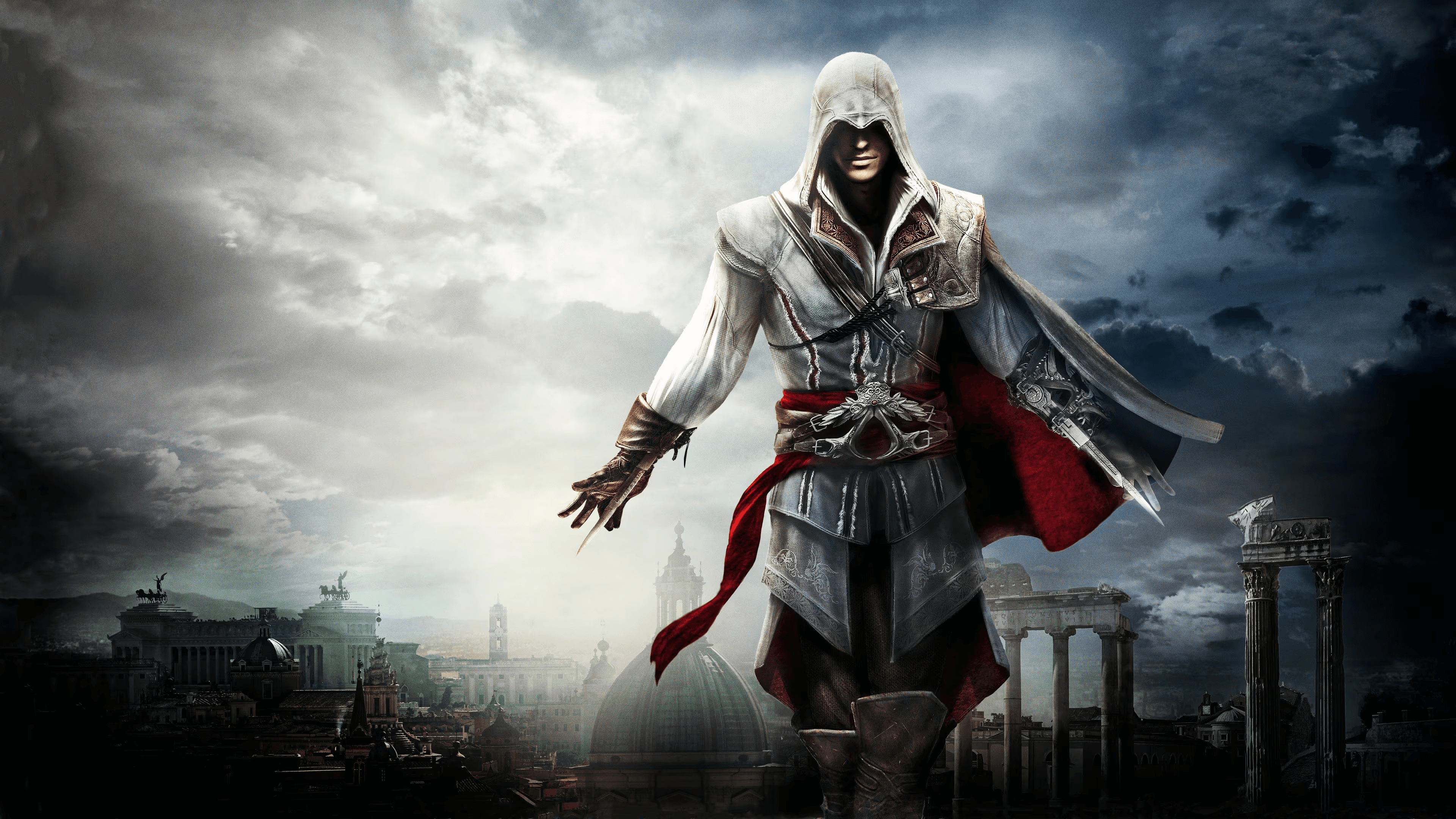
Ezio’s trilogy is often called the smoothest character transition arc in gaming.
Instead of replacing him, Ubisoft aged him.
Brotherhood shows Ezio as a leader
Revelations shows Ezio as a tired, reflective mentor
The final transition Ezio speaking directly to Desmond through Altair’s memory is still considered one of the most emotional moments in the franchise.
Fans regularly quote:
“I have lived my life as best I could.”
This was Assassin’s Creed at its most confident.
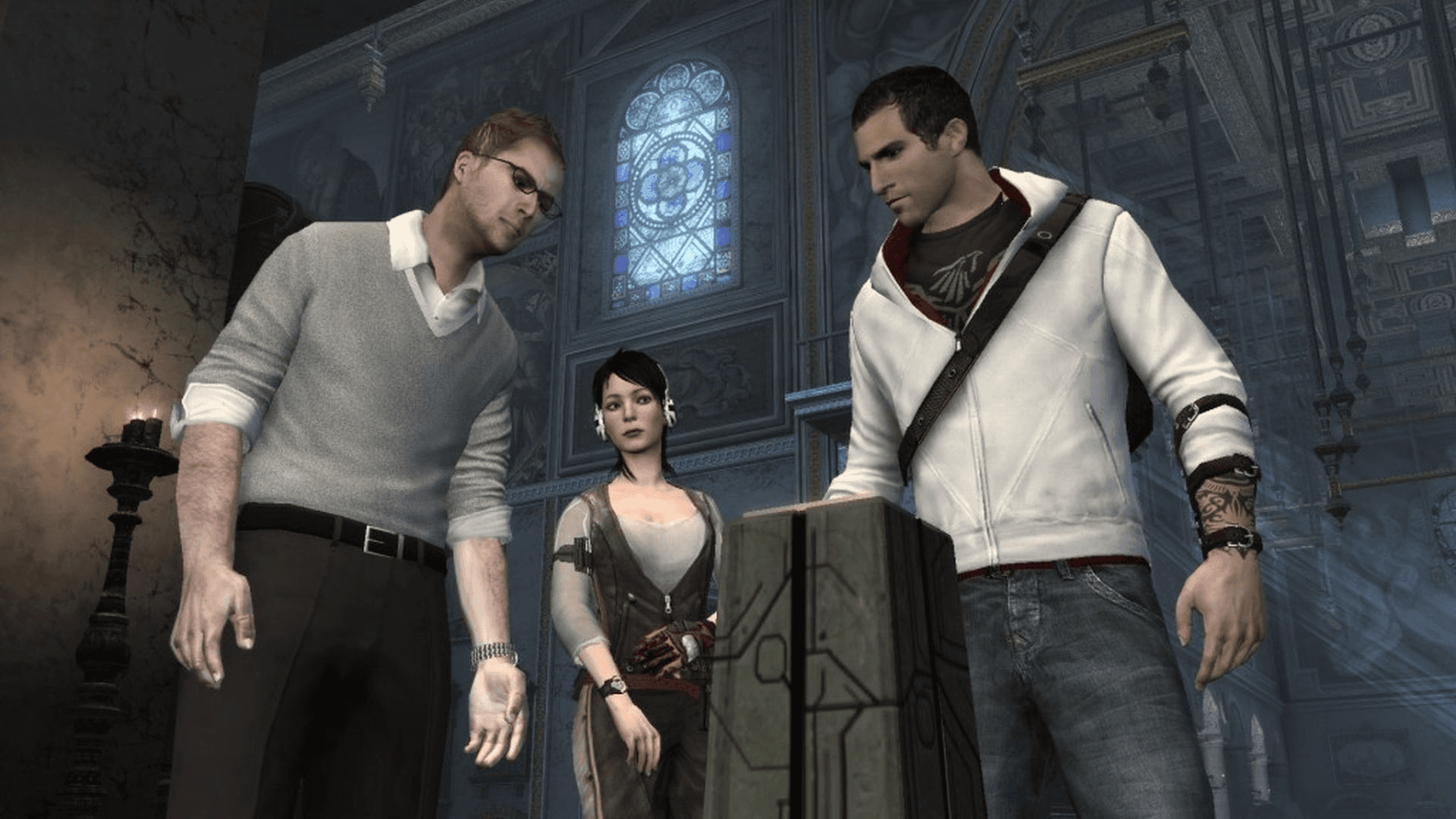
Assassin’s Creed III marked a hard transition and not everyone liked it.
Desmond’s story ends. The modern-day narrative fractures. Connor replaces Ezio as the historical lead.
This transition divided fans.
Some appreciated the bold move. Others felt the series lost its emotional anchor. Reddit threads still debate whether this was necessary or rushed.
What’s clear is that this moment changed Assassin’s Creed forever. The franchise never fully recovered its modern-day focus after this.
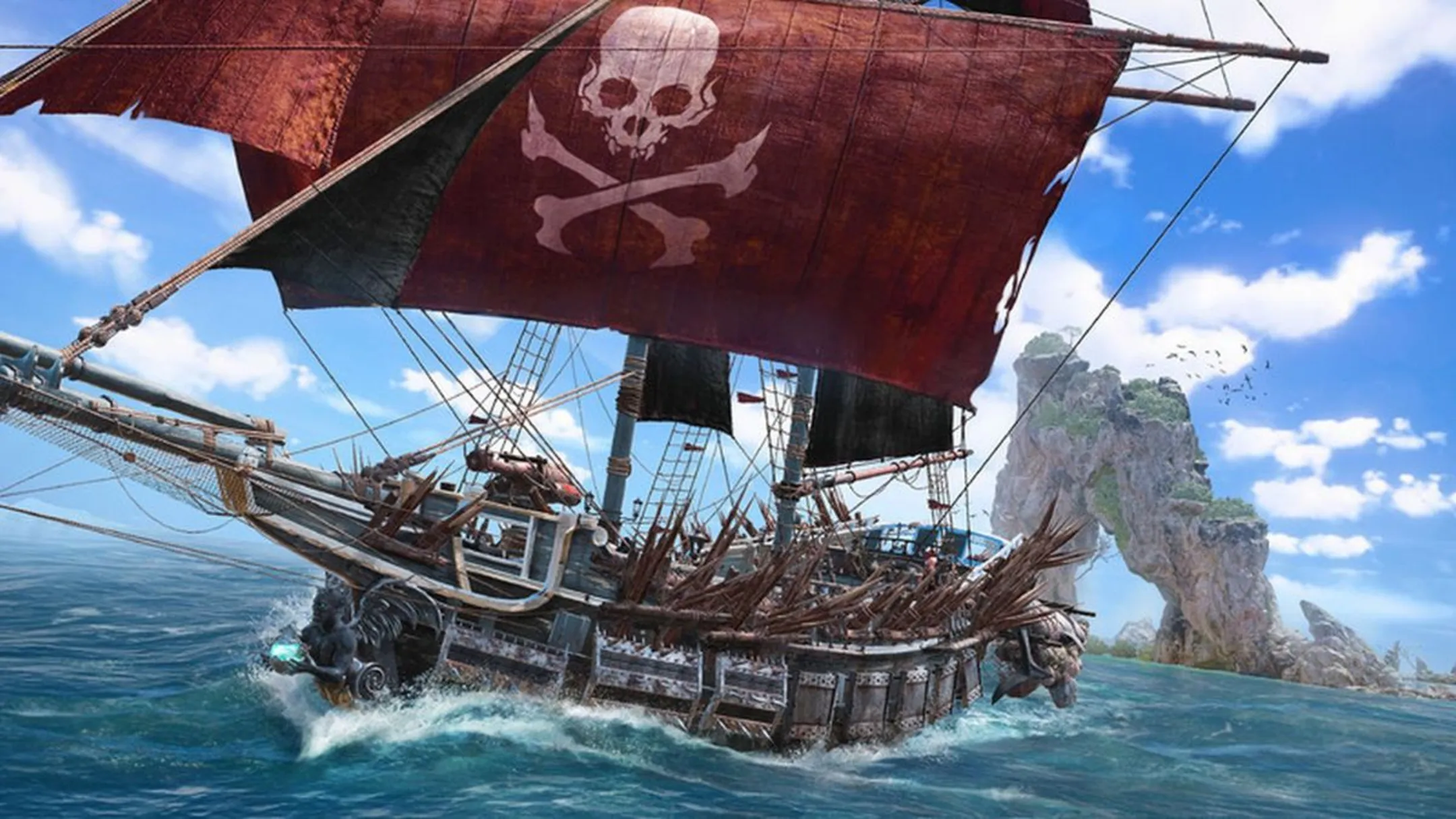
The jump from AC III to Black Flag is one of the most surprising transitions Ubisoft ever made.
Instead of tightening the assassin fantasy, Ubisoft leaned into:
Naval combat
Exploration
Freedom
A morally gray protagonist (Edward Kenway)
Fans loved this transition because it felt natural, not forced. The assassin story took a backseat, but the world felt alive.
Many fans still say:
“Black Flag doesn’t feel like Assassin’s Creed and that’s why it works.”
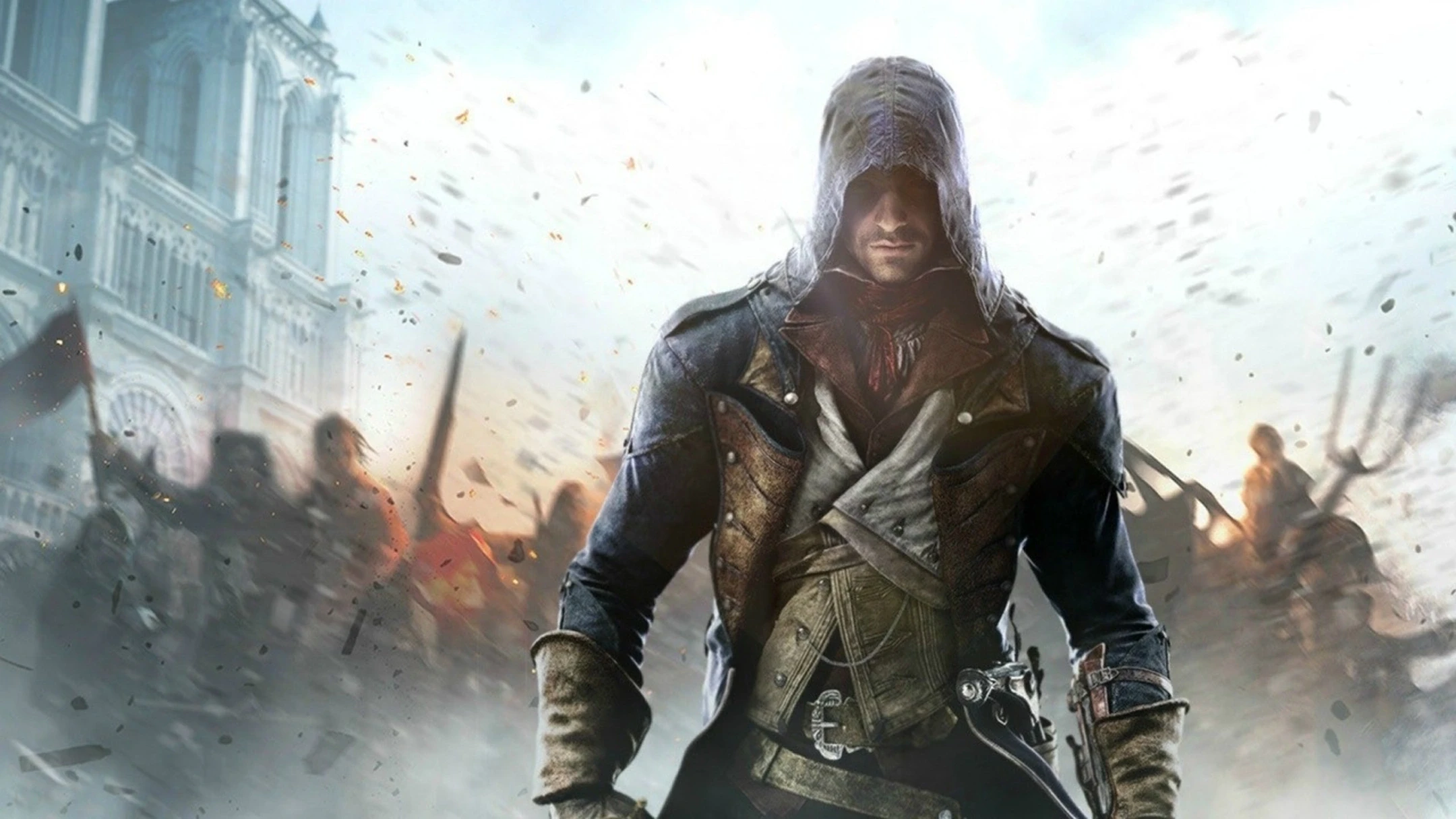
After Unity’s troubled launch, Assassin’s Creed needed a tone shift.
Syndicate changed:
Movement speed
Combat feel
Character attitude
Jacob and Evie Frye brought humor back. London felt more playful. This transition was Ubisoft trying to regain trust.
While not universally loved, fans credit Syndicate for stabilizing the franchise.
This is the most controversial transition in Assassin’s Creed history.
With Origins, Ubisoft fully reworked:
Combat
Leveling
World design
Gear systems
Bayek replaced traditional assassins with a founder figure. The Hidden Ones replaced the Brotherhood.
Some fans loved the depth. Others felt Assassin’s Creed lost its identity.
This transition split the fanbase but it also saved the franchise commercially.
Odyssey pushed Assassin’s Creed into myth and choice-driven storytelling. Valhalla tried to pull it back toward tradition.
This transition showed Ubisoft struggling to balance:
RPG freedom
Assassin identity
Historical realism
Community feedback across Reddit and X shows fans want focus, not constant reinvention.
Assassin’s Creed survives because it changes.
But fans don’t just want new systems. They want meaningful transitions ones that respect the past while moving forward.
The best transitions didn’t chase trends. They followed emotion, character, and purpose.
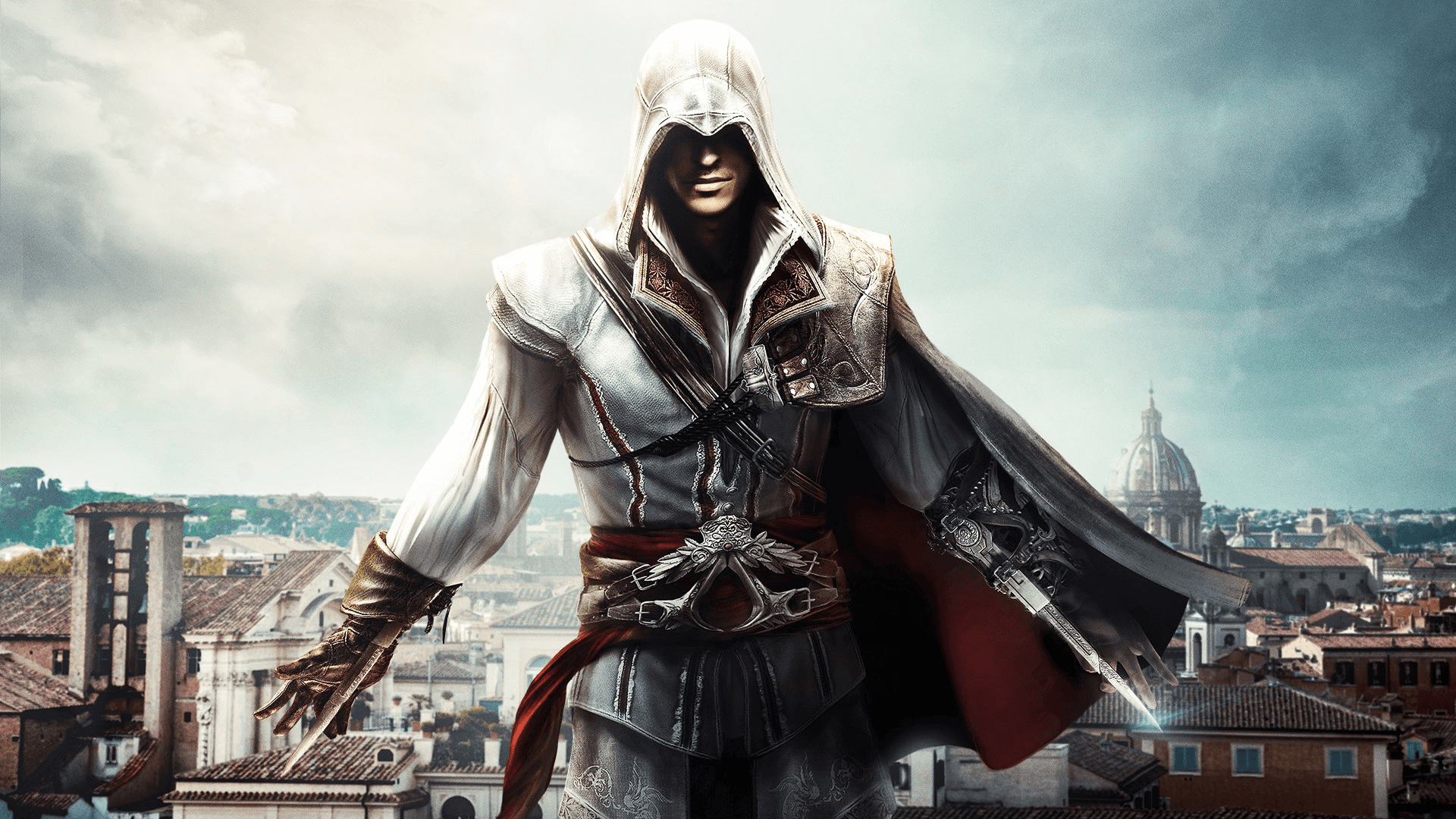
Assassin’s Creed transitions are its greatest strength and its biggest risk.
When done right, they create iconic moments. When rushed, they fracture trust.
As the franchise moves into future titles, fans aren’t asking for reinvention. They’re asking for intent.
The Animus reveal in the first game and Ezio’s trilogy transition are widely considered the most iconic.
Ubisoft shifted to the RPG systems to refresh the gameplay and expand the player choice after franchise fatigue.
The shift from Syndicate to the Origins caused the biggest split due to the major gameplay changes.
Most fans want the refinement and focus rather than another full reset.