
Gaming
Jan 23, 2026
ARC Raiders uses player behavior in matchmaking. Embark Studios confirms how attitude and playstyle influence who you’re matched with and why it matters. Photo by: ABGN
ARC Raiders does track player behavior during matchmaking. According to Embark Studios, players who consistently play cooperatively are more likely to be matched together, while more aggressive or disruptive playstyles tend to be grouped with similar players. The system is real but the exact details are intentionally kept private.
That’s the confirmed takeaway.

For months, ARC Raiders players speculated that “toxic” or aggressive behavior might influence matchmaking. That theory is now confirmed.
In a recent interview with PC Gamer, ARC Raiders art director Robert Sammelin acknowledged that player behavior is analyzed and factored into matchmaking.
Sammelin explained that the system is complex and designed to adapt over time. When pressed for deeper details, he joked that he couldn’t elaborate making it clear the studio won’t reveal the full formula.
This isn’t a punishment system or a simple “good vs bad” filter. It’s a way to shape fairer matches by aligning playstyles.
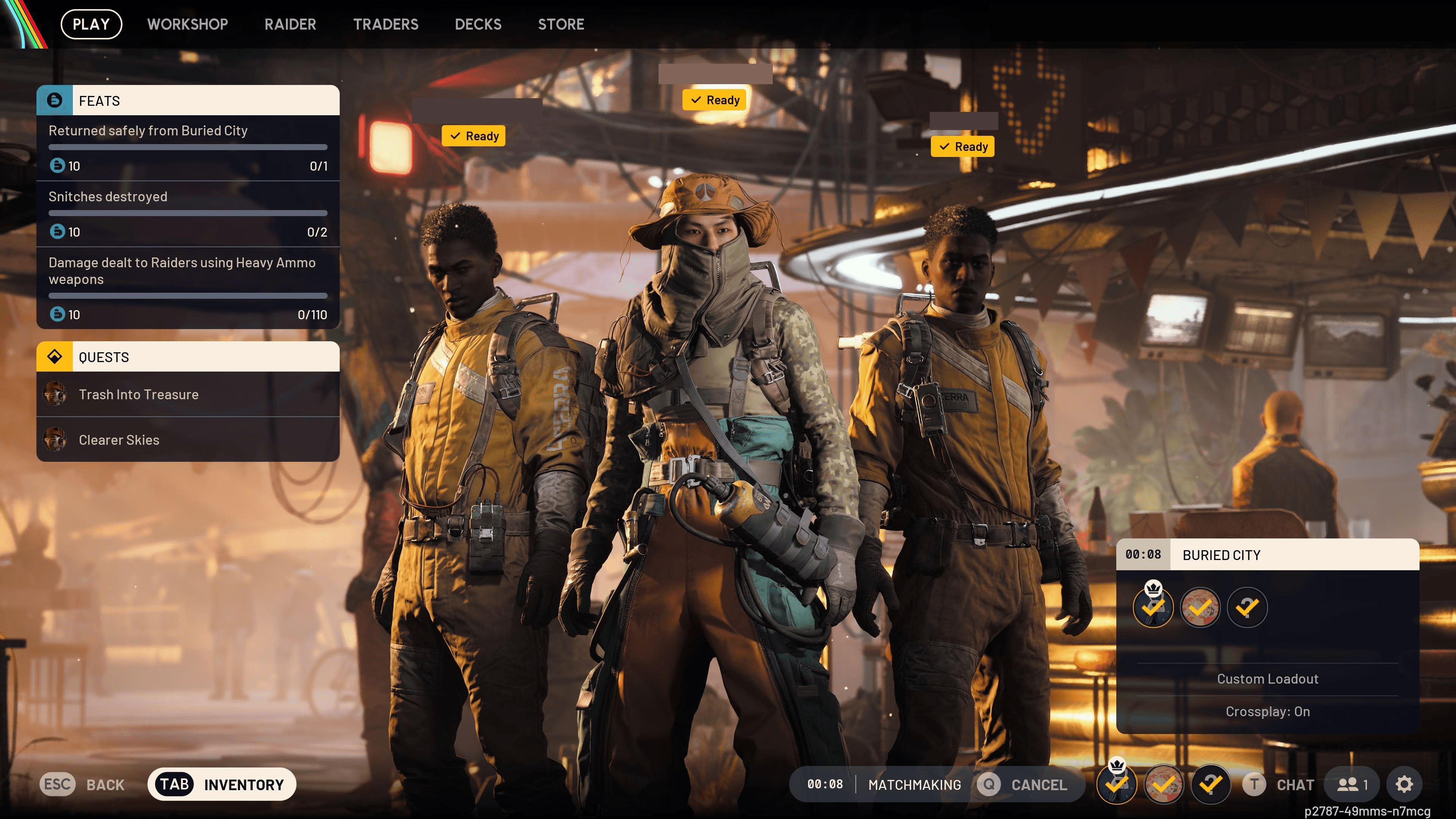
ARC Raiders is a cooperative-first extraction shooter. That means your experience heavily depends on the people you’re matched with. One reckless teammate can ruin a run; one supportive teammate can turn a bad drop into a great session.
Embark’s goal is straightforward:
reduce friction and increase match quality.
Instead of only using skill rating or win/loss data, the game looks at how you play:
Do you help teammates or abandon them?
Do you communicate and revive, or rush fights alone?
Do you grief, or play the objective?
Over time, those patterns matter.
Embark hasn’t published a technical breakdown, but based on common industry practices, the system probably looks at trends, not one-off moments.
Think of it like this:
What You Do Often | What the System Learns |
|---|---|
Revive teammates | Cooperative |
Stick with squad | Team-focused |
Constant solo rushing | High-risk playstyle |
Repeated griefing | Disruptive behavior |
No single match defines you. Consistency does.
This approach mirrors systems used in other competitive and cooperative games, where behavior scores quietly influence matchmaking without players seeing a number on screen.

For most players especially those aged 14-25 this change is a net positive.
If you play ARC Raiders as intended:
Team up
Communicate
Support your squad
You’re more likely to be matched with players who do the same.
If you prefer aggressive, solo-heavy runs, you may still find games but with others who enjoy that style. The idea isn’t to punish; it’s to match expectations.
That’s important in a game where trust matters.
Not exactly.
Embark has been careful with language. The system doesn’t label players as “toxic.” Instead, it tracks behavioral patterns. That includes positive actions just as much as negative ones.
In other words, the system isn’t asking, “Is this player bad?”
It’s asking, “What kind of teammate is this player usually?”
That distinction matters for privacy, fairness, and long-term balance.

You might wonder why Embark won’t go deeper.
There’s a simple reason: gaming the system.
If the players know exactly which actions affect the matchmaking, some will fake their good behavior just long enough to get better lobbies. By keeping details vague, studios protect the integrity of the system.
This is standard practice across the industry.
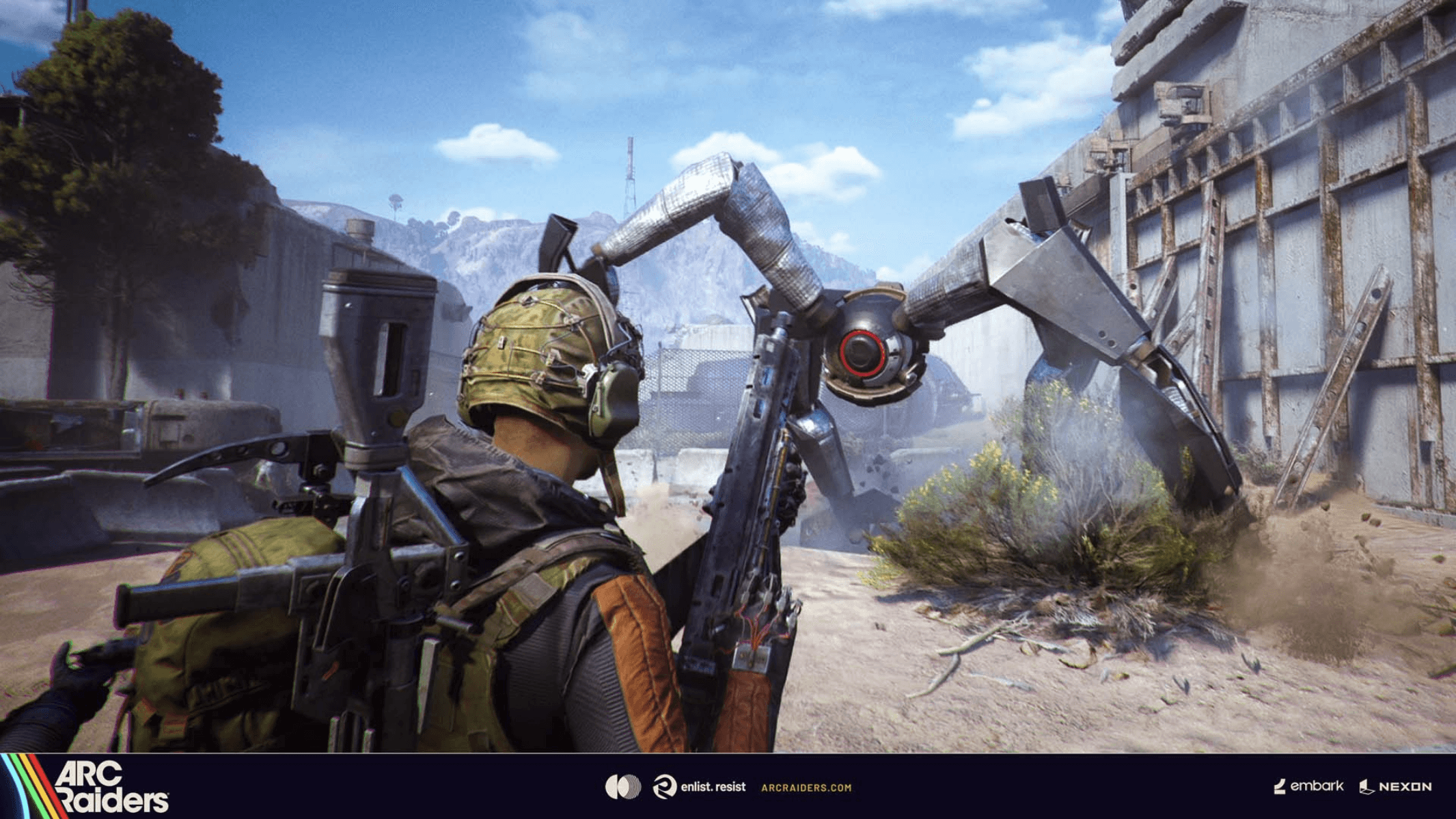
ARC Raiders is built around tension, cooperation, and shared risk. Behavior-based matchmaking supports that vision.
It helps:
Reduce griefing in co-op sessions
Create more predictable team dynamics
Make extraction runs feel fairer
For a live-service shooter trying to build a long-term community, that’s critical.
Player reactions have been mixed but mostly curious.
Some players are relieved, saying it explains why recent matches feel more coordinated. Others worry about being judged unfairly.
Right now, there’s no evidence of harsh penalties or shadow bans. Everything points to soft matchmaking adjustments, not strict enforcement.
Yes. Embark Studios has confirmed that player behavior is analyzed during matchmaking.
There is no evidence of punishments. The system appears to group similar playstyles together.
No. There is no public score or meter shown.
Unlikely. The system looks at long-term behavior, not single games.
To prevent players from abusing or manipulating matchmaking.
ARC Raiders’ approach isn’t about control it’s about compatibility. By quietly aligning players with similar behavior, Embark is betting on smoother matches and a healthier community.
Whether it works long-term will depend on how fair and consistent the system feels over time but for now, it’s a clear step toward smarter matchmaking.