
Gaming
Jan 23, 2026
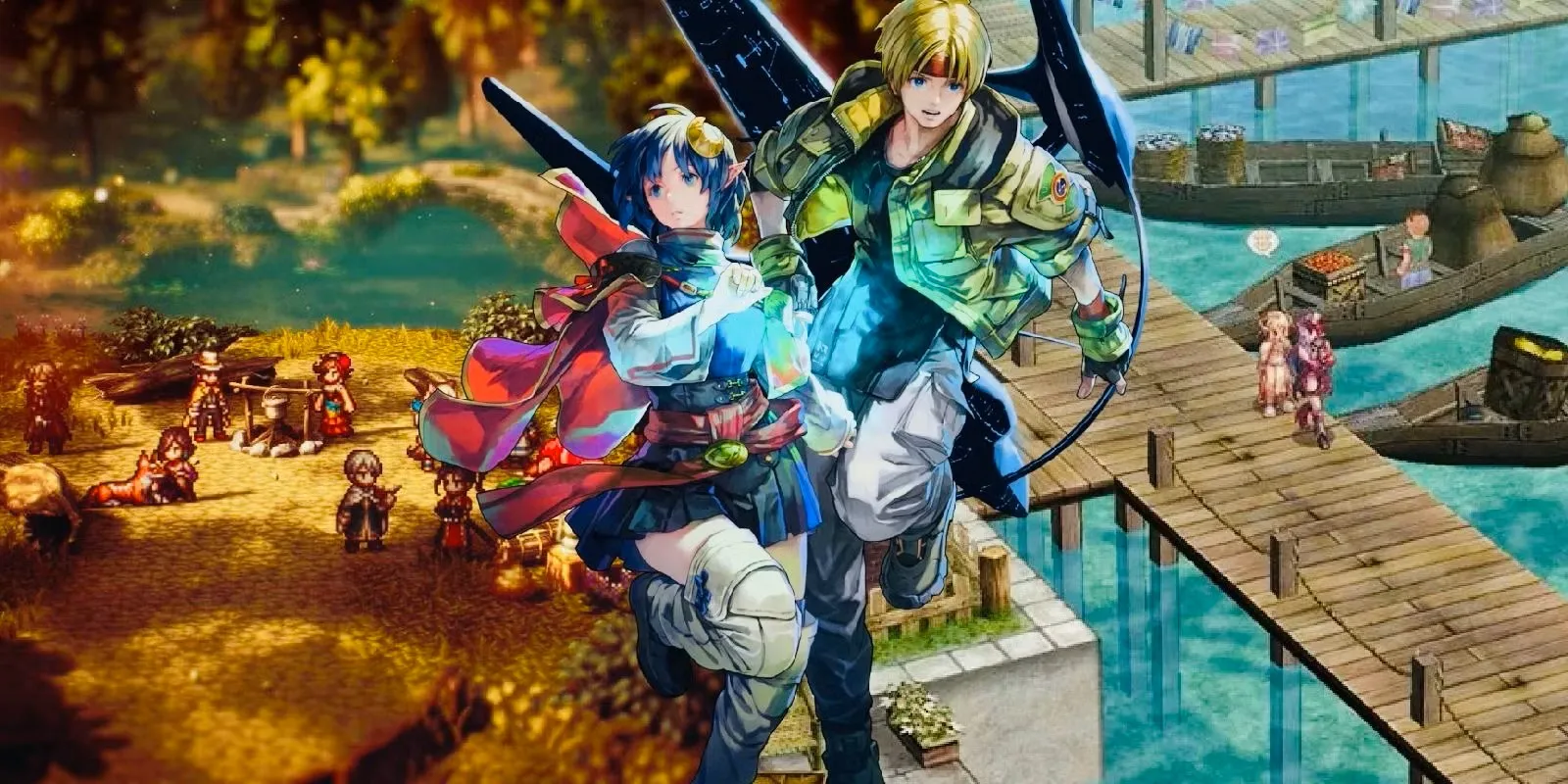
A clear breakdown of action vs turn-based JRPGs, comparing combat, strategy, accessibility, and who each style is best suited for. Photo by: liftingitalia.com
JRPG fans often argue about one simple question:
Which is better, action or turn-based JRPGs?
The answer isn't so clear-cut. These two styles are around for different reasons. They appeal to different gamers and shine in different ways.
Knowing what makes each system tick can help you pick what's right for you. It also explains why many new JRPGs mix things up.
This article looks at action and turn-based JRPGs. We'll go over things like gameplay, speed, how easy they are to pick up, challenge, examples, and who each style is for.
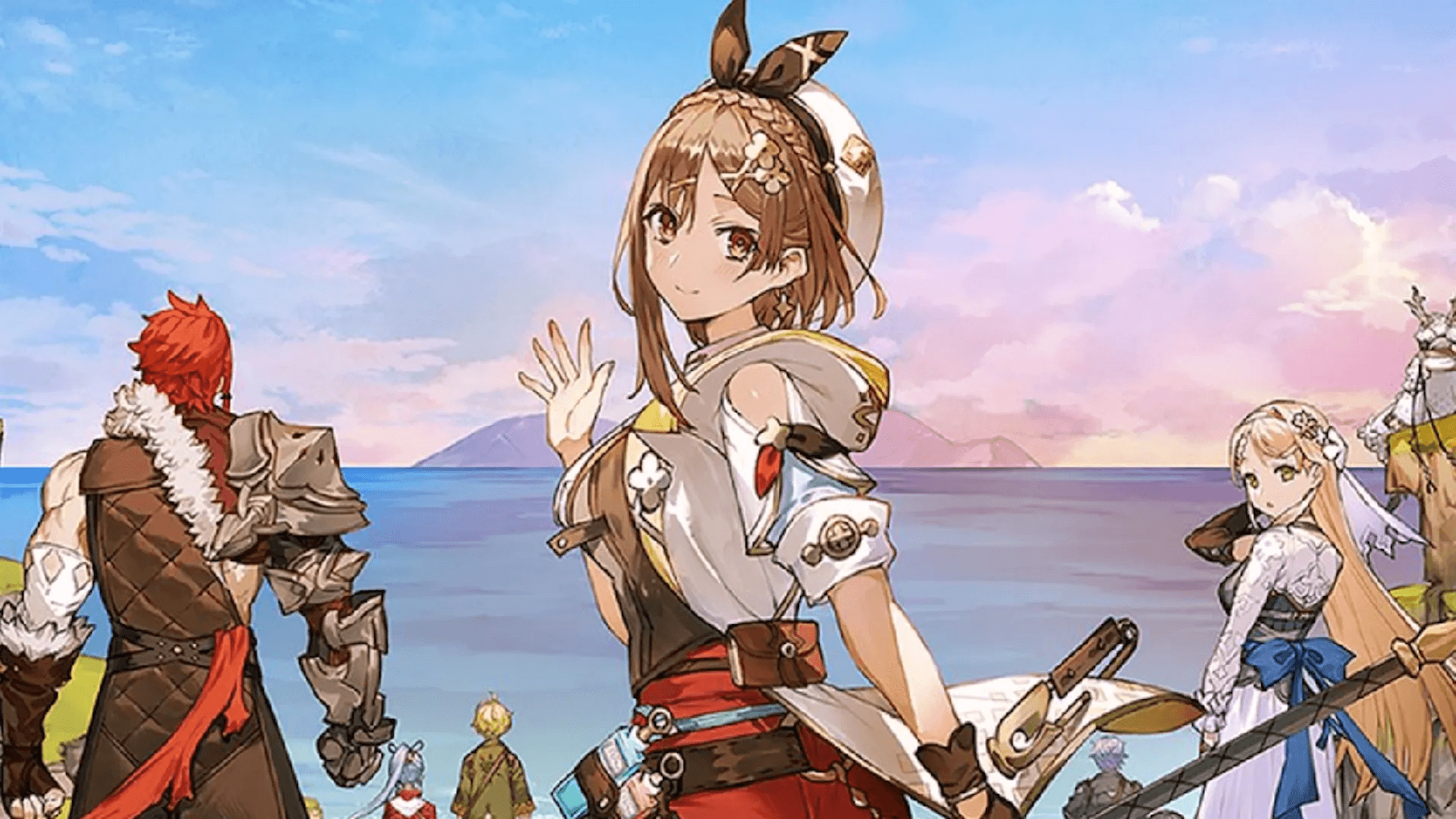
Turn-based JRPGs have battles with turns. Gamers pick what to do from menus, do them in order, and then react to what enemies do.
Old-school turn-based JRPGs focus on:
Thinking and planning
Working together as a team
Taking care of resources
Making smart choices during fights
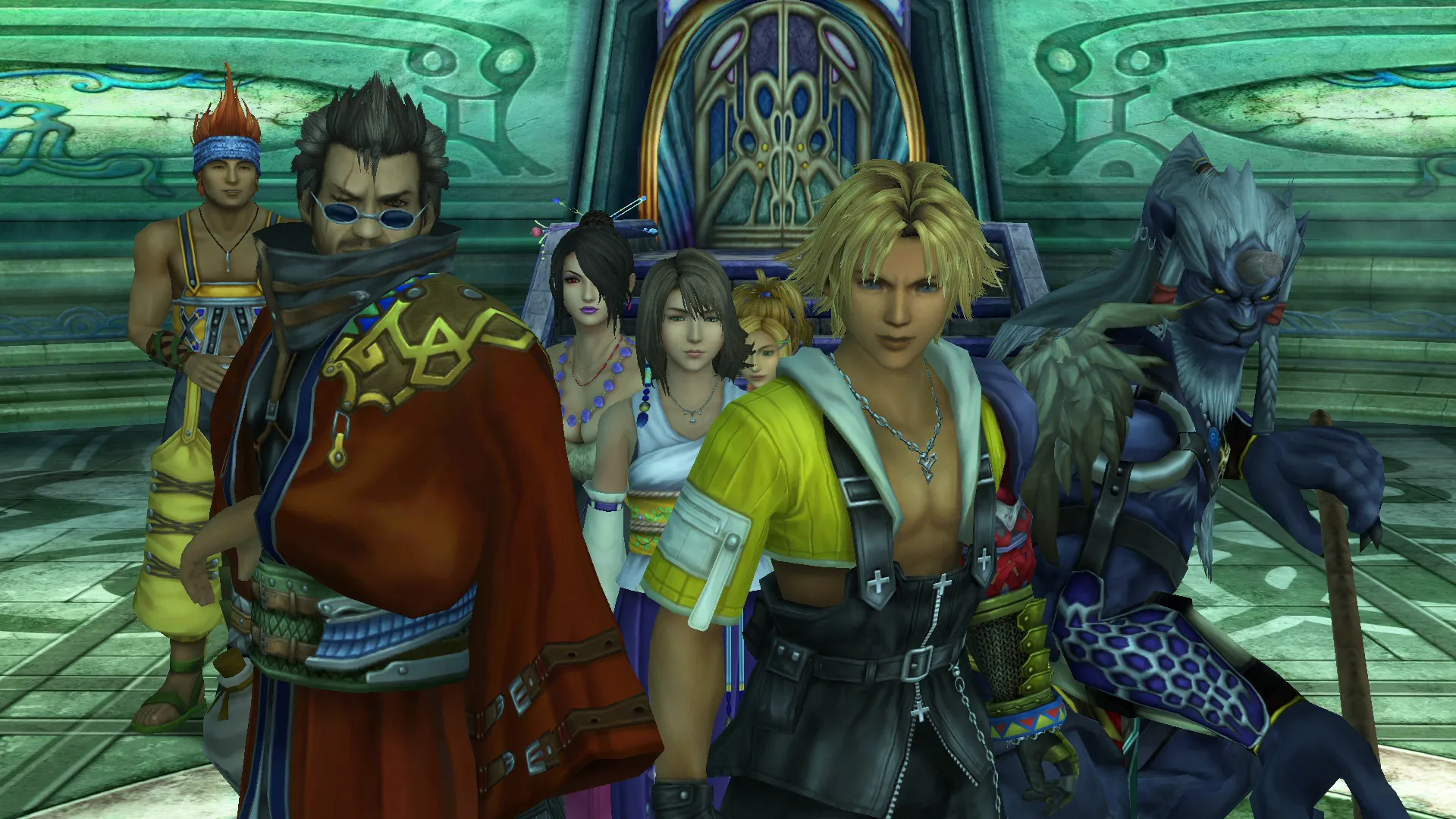
Final Fantasy X
Persona 5 Royal
Dragon Quest XI S
This action JRPG has real-time battles, so how well you play matters just as much as your character's stats. That means you need good reflexes, positioning, and timing.
Here's what makes it work:
Move freely while fighting
Attack and dodge in real time
Pull off combos
Spend less time in menus
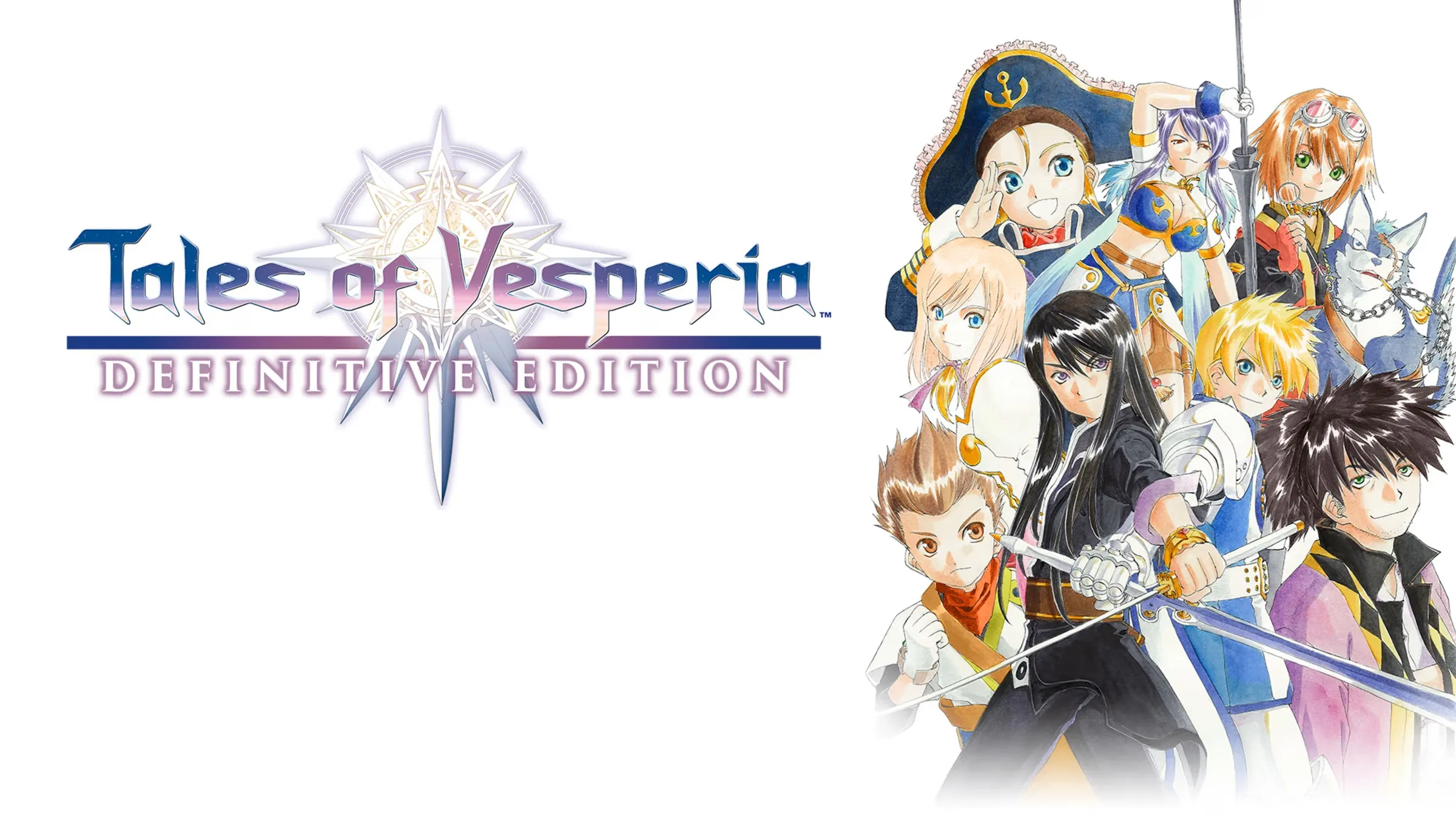
Tales of Vesperia
NieR: Automata
Final Fantasy VII Remake
Feature | Turn-Based JRPGs | Action JRPGs |
|---|---|---|
Combat Pace | Deliberate | Fast-paced |
Player Skill | Strategic thinking | Reflexes & timing |
Menu Usage | Heavy | Minimal |
Accessibility | High | Moderate |
Grinding Impact | Higher | Lower |
Skill Ceiling | Tactical mastery | Mechanical mastery |
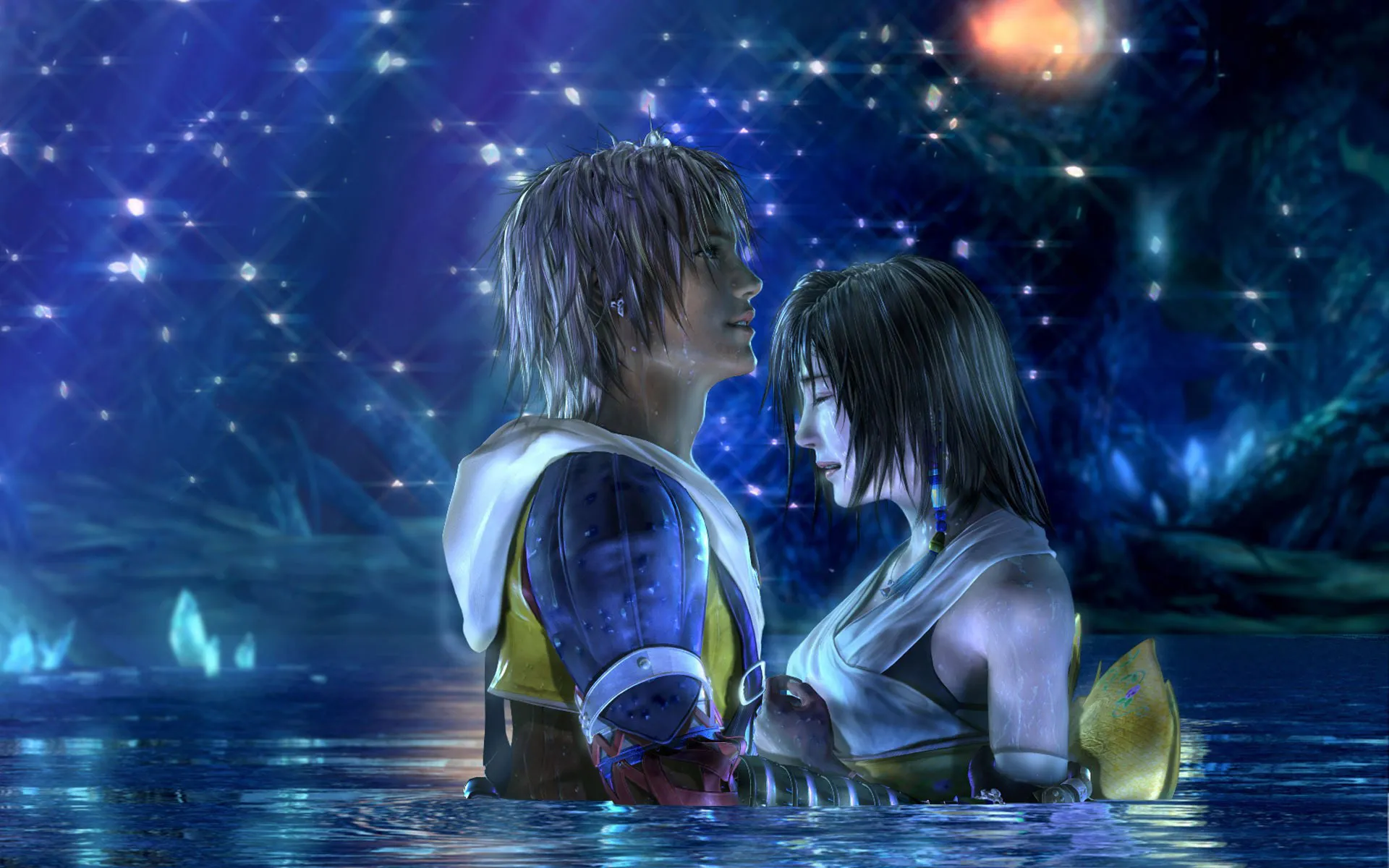
Turn-based battles let you:
Carefully consider every move
Figure out what enemies will do
Make the most of each character's skills
That makes this type of game great if you like thinking about strategies without a time crunch.
Here's why turn-based JRPGs are great, especially if you're not all about fast reflexes:
You don't need to have lightning-fast reaction times.
Physical limits don't hold you back as much.
It's easier to fix your mistakes.
This makes them more open for everyone to enjoy.
Turn-based games usually focus on:
Leveling up
Upgrading equipment
Skill trees
This makes progress feel real and worth the effort.
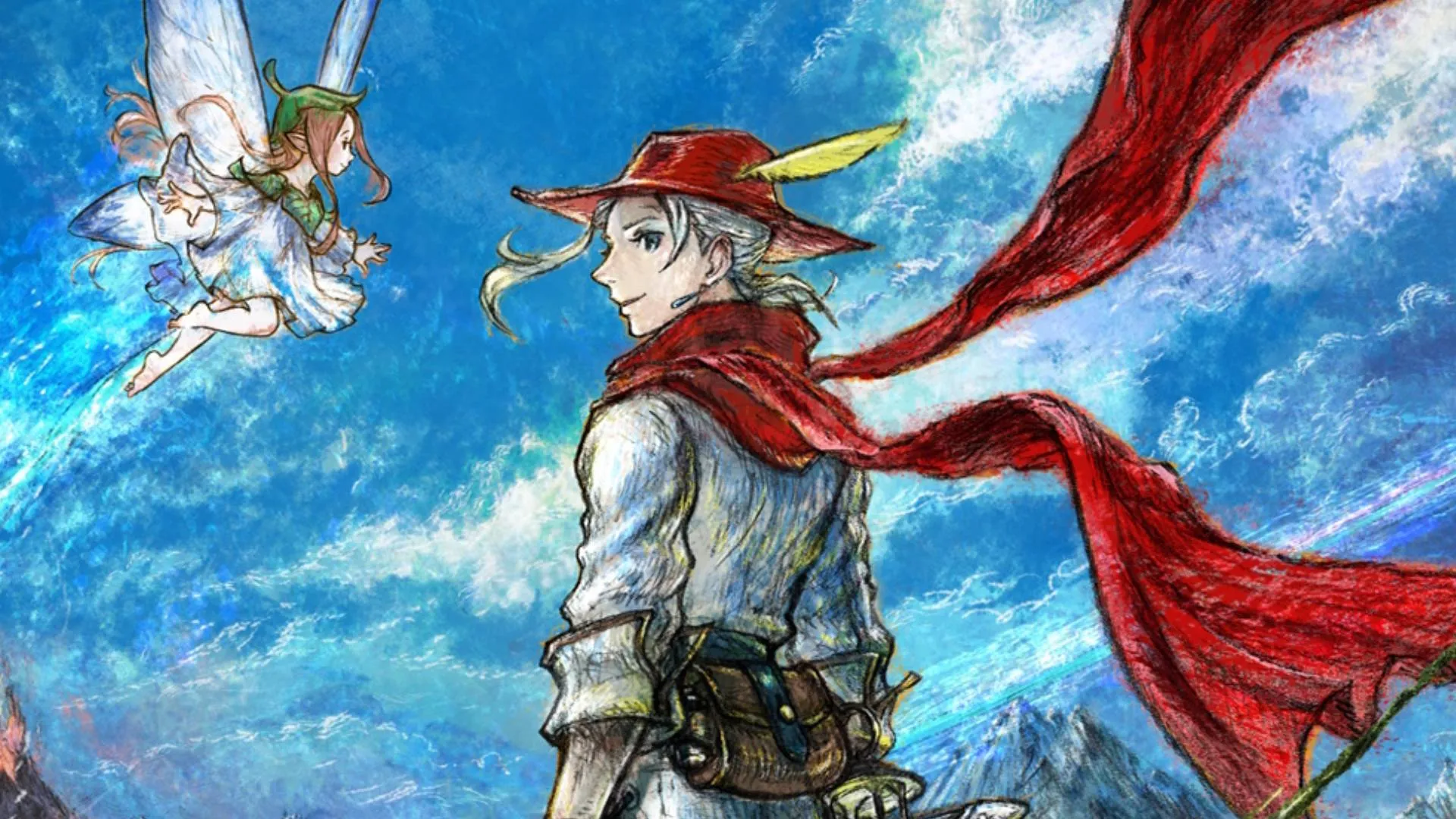
Some players might find the game slow.
The fights could feel repetitive, maybe even grindy.
The combat feedback isn't super impactful.
Newer games usually fix this by speeding up animations or adding timing-based actions.
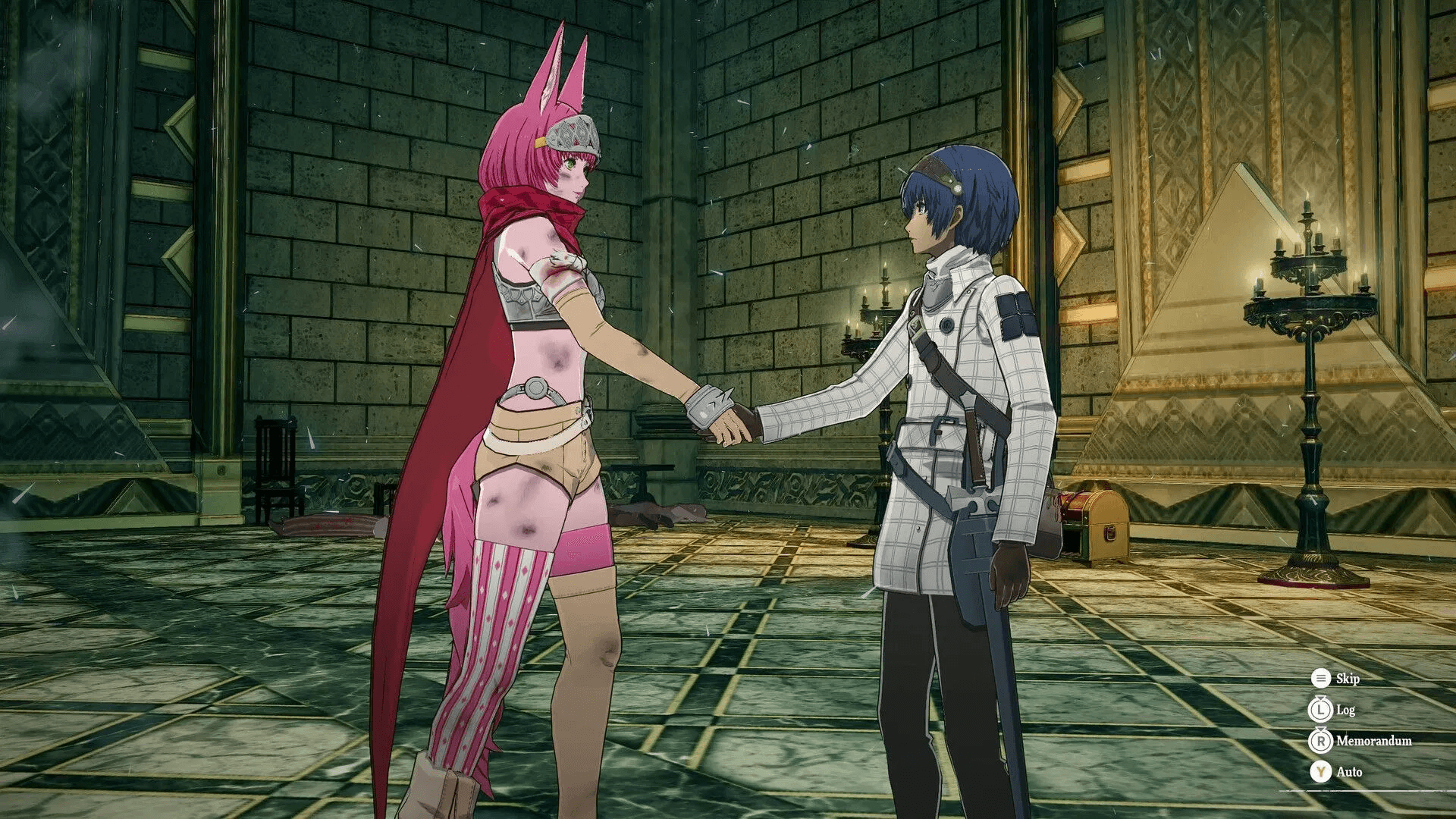
Action JRPGs feel:
More alive
More like a movie
More hands-on
You're always in the middle of the action.
To win, focus on:
Knowing when to dodge
Pulling off combos
Learning enemy attack patterns
Good skills can beat strong stats.
Action JRPGs often focus on execution over stats because:
Focus on skill, not just endless repetition.
Get rewarded for improving, not just repeating the same steps.

New players might find it too much at first.
The focus on quick reactions can be tough.
It doesn't leave a lot of room to think things through.
More options to make the game easier are a must for these kinds of games.
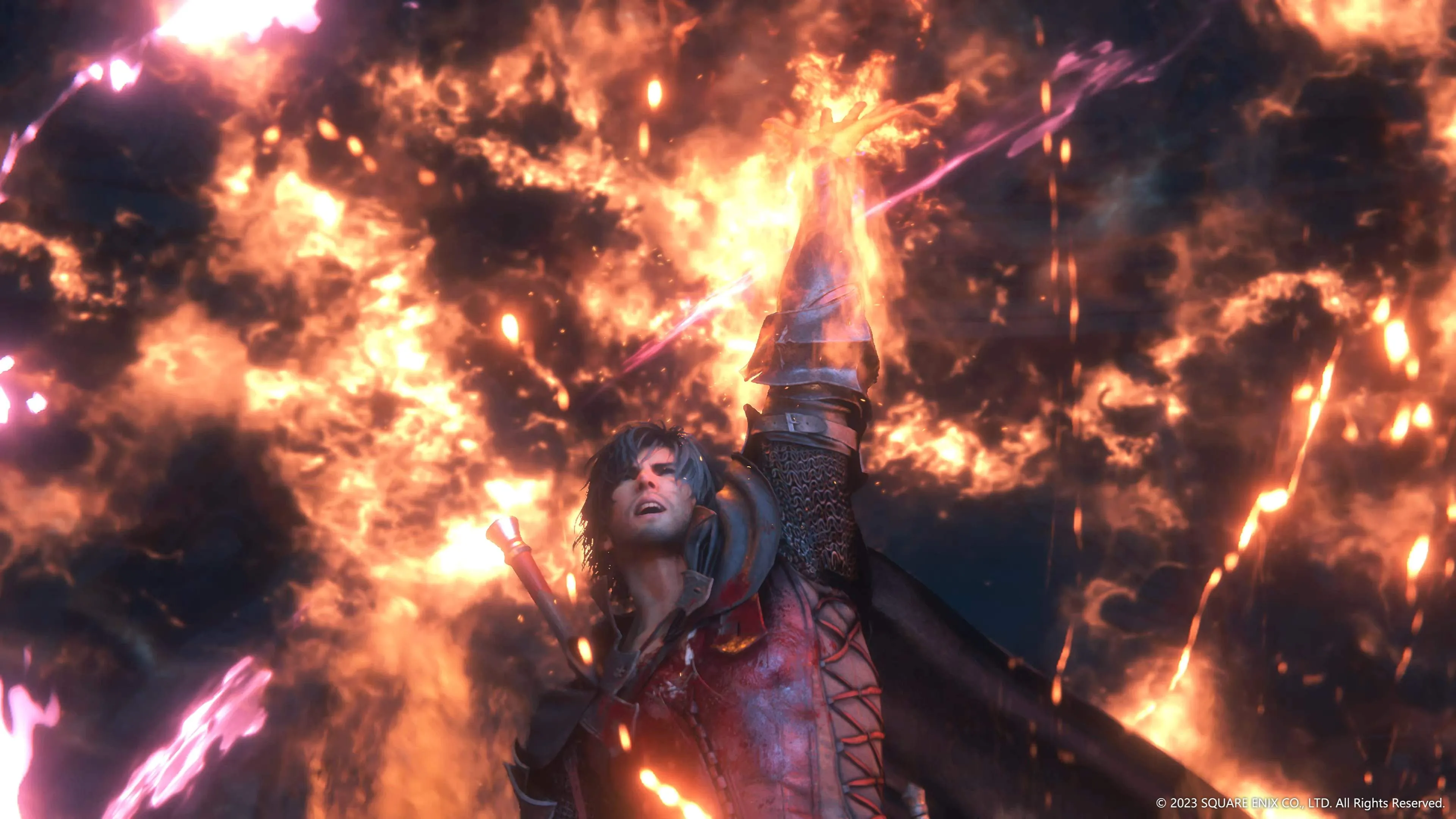
Lots of modern Japanese RPGs now mix different combat styles.
For example:
Clair Obscur: Expedition 33 - It's turn-based, but you have to time your moves right.
Final Fantasy VII Rebirth - The fighting is in real-time, but you can pause to plan your next move.
These hybrid systems try to:
Keep the strategy of turn-based combat
Make the battles more exciting
Have less waiting around
This can attract more players.
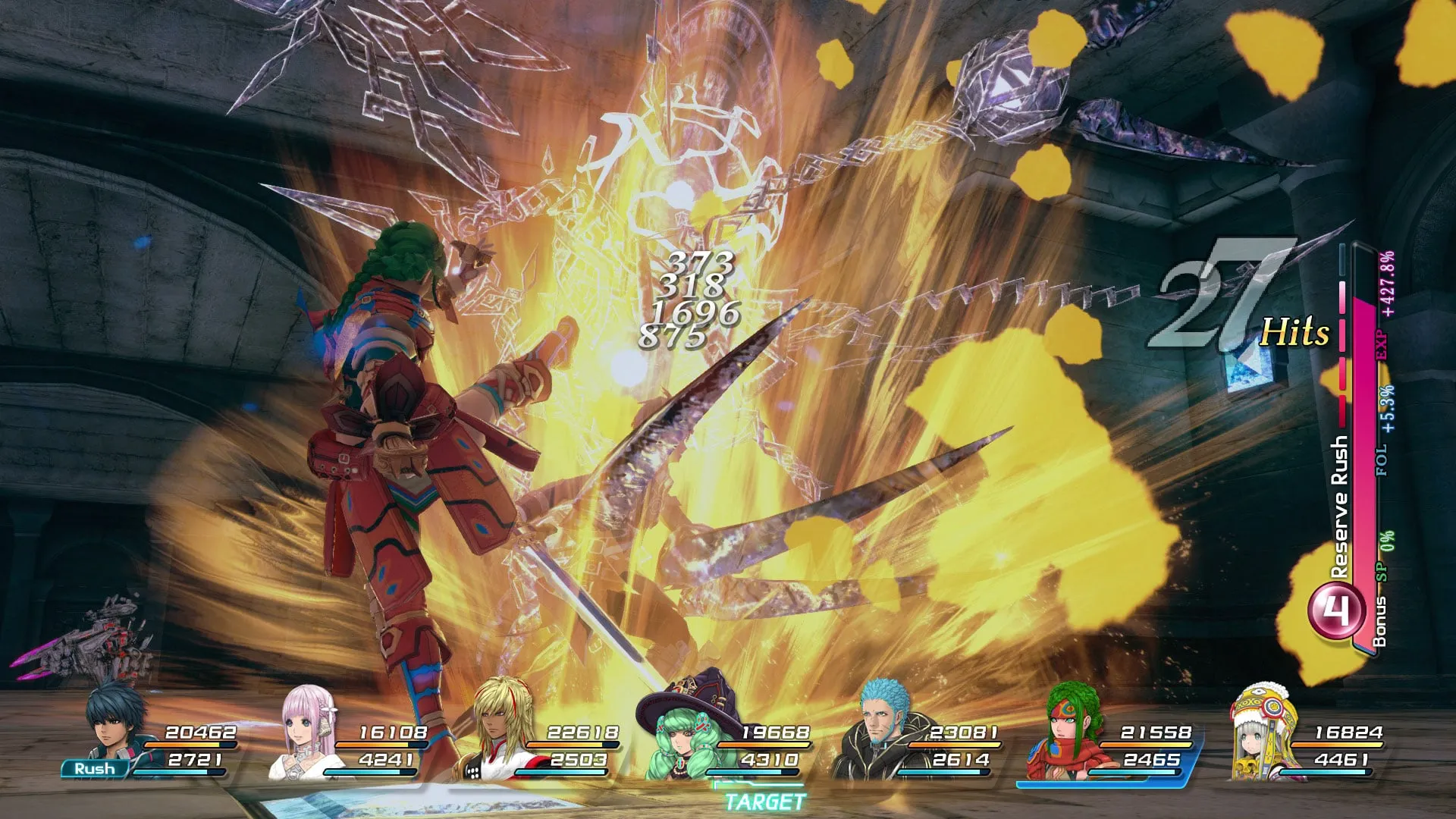
Both work but differently.
Aspect | Turn-Based | Action |
|---|---|---|
Narrative Focus | High | Medium-High |
Emotional Pacing | Strong | Immediate |
Character Moments | Clear | Cinematic |
Typically, turn-based JRPGs have longer chats and thinking time, while action JRPGs show more than they tell.
Turn-based JRPGs are often a good starting point for new players because:
No reaction pressure
Clear tutorials
Forgiving learning curve
If you're coming from these game types, you might like action JRPGs:
Action games
Hack-and-slash titles
Souls-like combat
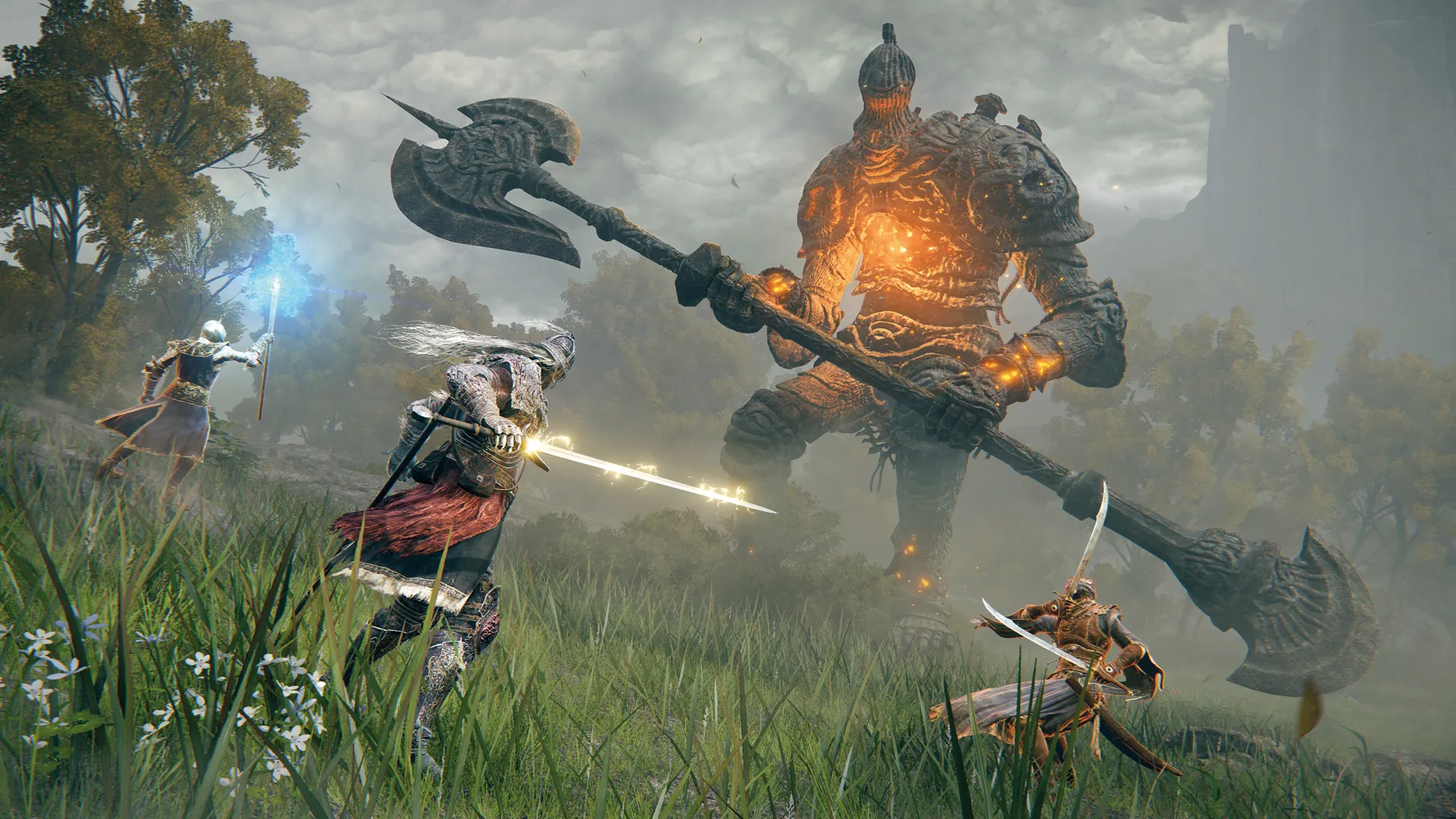
It really just comes down to what the player likes.
Turn-based replay value comes from build experimentation
Action replay value comes from skill mastery
Hybrid JRPGs often give you a great mix of experiences.
The discussion continues because:
JRPG fans value tradition
Developers want broader appeal
Combat systems shape emotional experience
Both styles have their place; one isn't better than the other, it just depends on what you need.
Think about it:
Do I enjoy planning or reacting?
Do I prefer calm strategy or constant input?
Do I value accessibility or challenge?
Do I want story focus or combat focus?
Your answers usually point clearly toward one style.
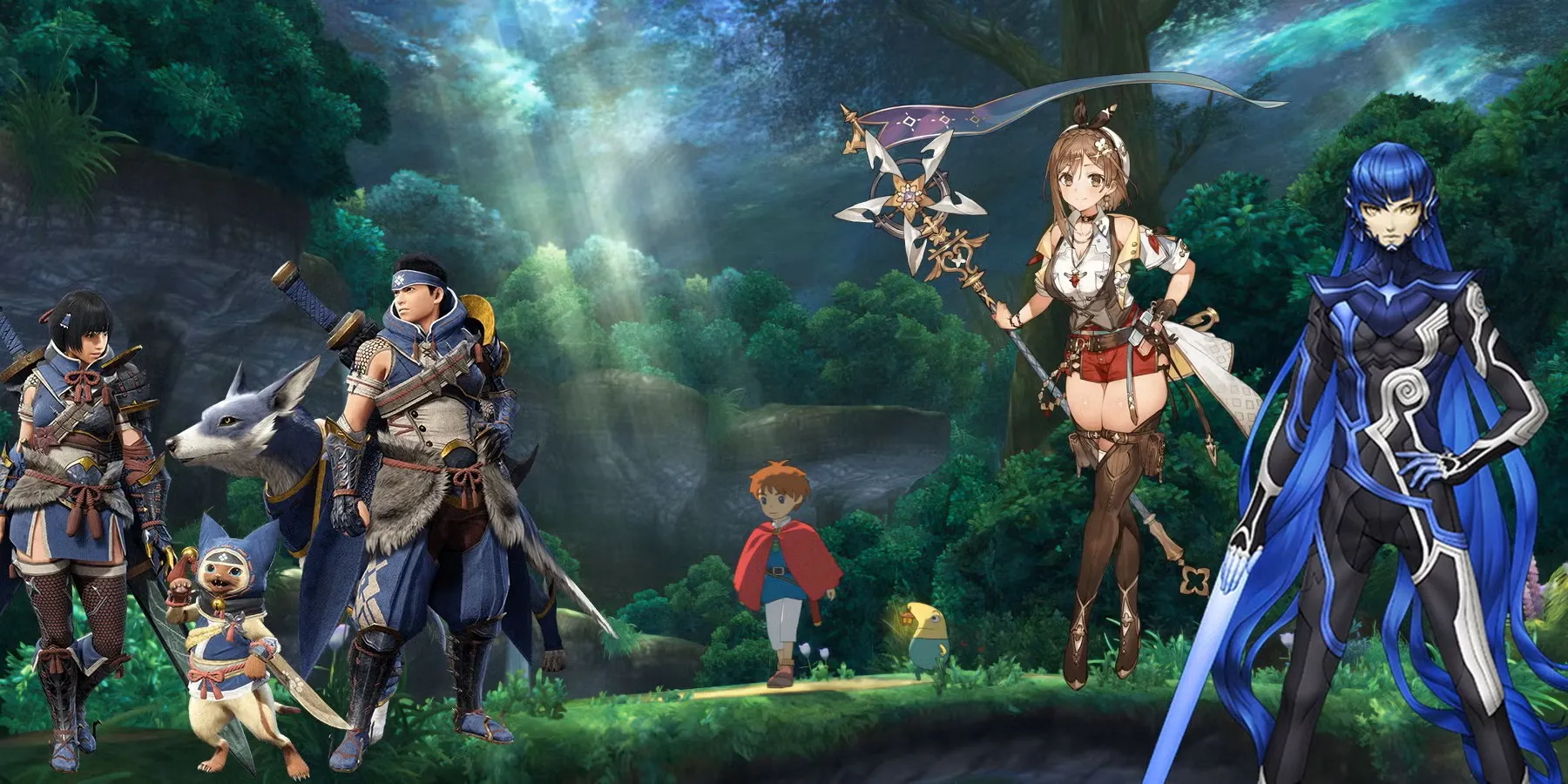
Turn-based JRPGs excel at:
Strategy
Accessibility
Deep party management
Action JRPGs excel at:
Engagement
Skill expression
Cinematic combat
Modern JRPGs are mixing things up to keep players interested.
Instead of wondering which one is best, consider this:
Which JRPG style fits how you want to play?